Introduction
In today’s health-conscious world, choosing the right beverages is just as important as choosing the right foods. Excess sugar consumption is linked to obesity, diabetes, heart disease, and even poor dental health. While we often focus on meals, many people underestimate the sugar in drinks, which can quickly add up over the day. Learning how to select low-sugar drinks is crucial for maintaining overall wellness, boosting energy naturally, and supporting long-term health goals. This guide explores practical tips, examples, and strategies for making better drink choices without sacrificing taste.
Why Choosing Low-Sugar Drinks Matters
The Hidden Sugar in Common Beverages
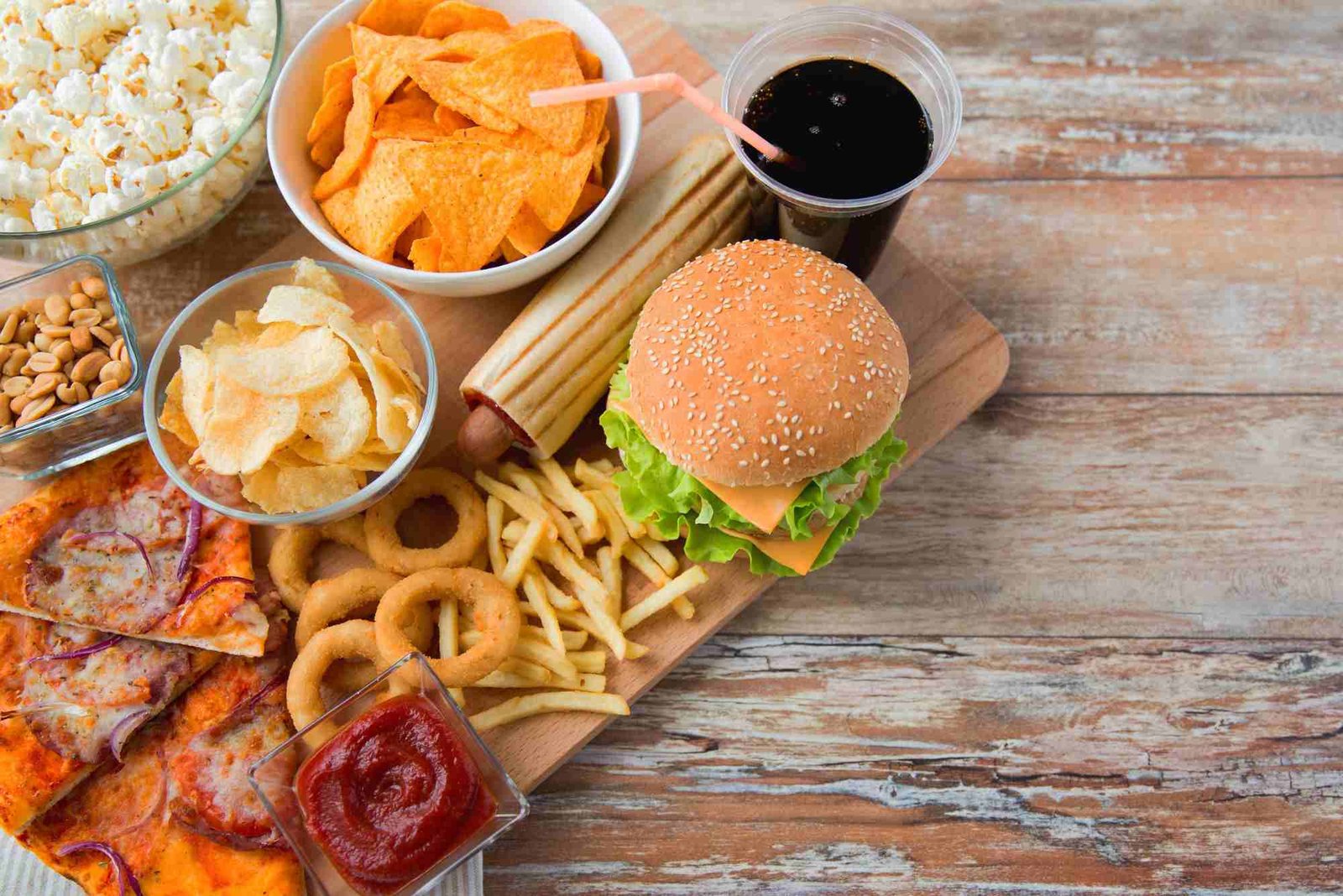
Sugary drinks aren’t just sodas or energy drinks. Many fruit juices, flavored coffees, bottled teas, and even smoothies can contain high amounts of added sugar. For instance, a single bottle of sweetened iced tea may contain up to 30 grams of sugar—almost a full day’s recommended limit for adults according to the World Health Organization. Reducing sugar intake from beverages can significantly impact weight management, blood sugar levels, and heart health.
Health Risks of High Sugar Intake
Consuming too much sugar, especially in liquid form, can lead to:
- Weight gain: Liquid calories are easy to consume without feeling full.
- Blood sugar spikes: High-sugar drinks can lead to insulin resistance over time.
- Dental problems: Sugary beverages feed bacteria that cause cavities.
- Chronic diseases: Excess sugar intake increases the risk of type 2 diabetes and cardiovascular issues.
Tips for Choosing Low-Sugar Drinks
Read Labels Carefully
Always check the nutrition label for total sugar content. Pay attention to:
- Added sugars: Ingredients like high-fructose corn syrup, cane sugar, or honey contribute extra calories.
- Serving size: A single bottle might contain more than one serving. Adjust your calculations accordingly.
- Hidden names for sugar: Look for maltose, dextrose, sucrose, and fruit juice concentrates.
Opt for Water-Based Beverages
Water is the healthiest low-sugar drink. To make hydration more interesting:
- Infuse water with fruits: Add lemon, cucumber, berries, or mint for flavor without sugar.
- Sparkling water: Carbonated water with natural flavors can replace soda.
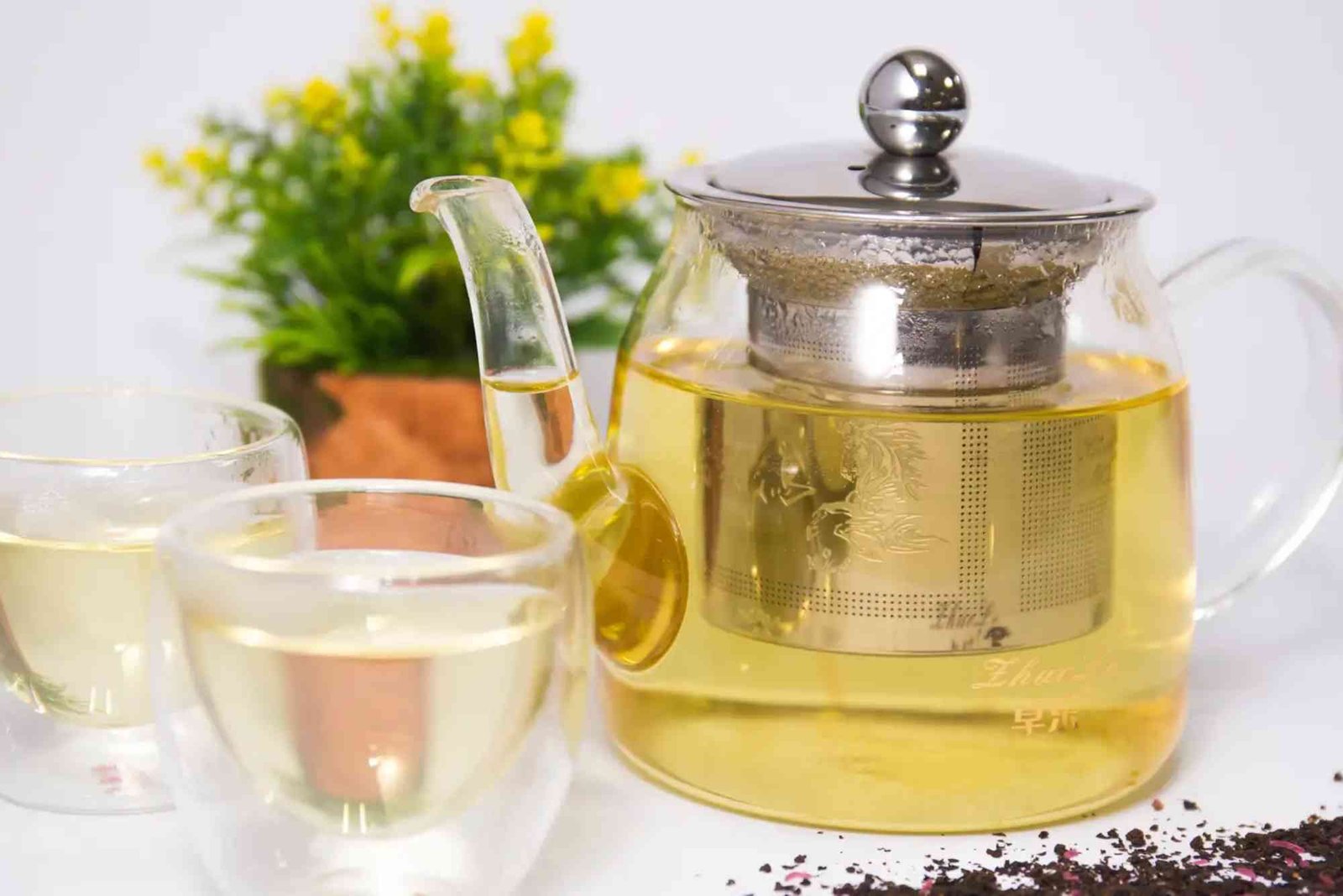
- Herbal teas: Unsweetened herbal teas provide antioxidants and natural flavors.
Choose Unsweetened or Light Versions
Many popular drinks now come in unsweetened or low-sugar versions:

- Coffee and tea: Request no added sugar or choose sugar substitutes like stevia.
- Plant-based milk: Almond, oat, and soy milk often have low-sugar options.
- Flavored waters and seltzers: Look for products labeled “no sugar added.”
Use Natural Sweeteners in Moderation
If you need sweetness, natural alternatives can help:
- Stevia or monk fruit: Zero-calorie sweeteners that don’t spike blood sugar.
- Small amounts of honey or maple syrup: Use sparingly to control sugar intake.
- Fruit purées: Blend berries or mango for natural sweetness in smoothies.
Be Mindful of Portion Sizes
Even low-sugar drinks can add calories if consumed in large quantities. Use:
- Smaller glasses or bottles: Helps control intake.
- Measuring cups for homemade drinks: Ensures you aren’t adding extra sugar by habit.
Make Drinks at Home
Homemade beverages give full control over sugar content:
- Iced tea and lemonade: Sweeten lightly or use natural alternatives.
- Smoothies: Combine vegetables and small portions of fruit for flavor and nutrients.
- Infused water: Easily customizable with herbs, fruits, and spices.
Examples of Low-Sugar Drinks
Unsweetened Beverages
- Water (plain or sparkling)
- Black coffee or tea
- Unsweetened almond, soy, or oat milk
Naturally Flavored Drinks
- Fruit-infused water
- Herbal tea blends like chamomile, peppermint, or hibiscus
- Coconut water (unsweetened)
Controlled Sugar Options
- Homemade lemonade with minimal sweetener
- Green smoothies with vegetables and one small portion of fruit
- Low-sugar sports drinks for post-exercise hydration
Tips for Transitioning Away from Sugary Drinks
Gradual Reduction
If you’re used to sweet drinks, start by slowly reducing sugar:
- Reduce one teaspoon of sugar every few days.
- Mix half regular soda with half sparkling water.
Find Healthy Substitutes
Replace high-sugar drinks with satisfying alternatives:
- Flavored sparkling water instead of soda.
- Herbal teas instead of sweetened iced tea.
Track Your Progress
Use a drink diary or app to monitor sugar intake. This helps maintain awareness and encourages consistency.
Common Mistakes to Avoid
Assuming “Natural” Means Low Sugar
Labels like “all-natural” or “fruit juice” can be misleading. Always check actual sugar content.
Overconsuming Low-Sugar Alternatives
Even zero-calorie beverages may contain artificial sweeteners. Moderation is key to avoid digestive issues.
Ignoring Hidden Ingredients
Some ready-to-drink coffees, protein shakes, or teas can have sugar added to flavor. Look at ingredients, not just calories.
Make Healthier Choices Today
Choosing low-sugar drinks is an essential step toward better overall health. By reading labels, making smarter beverage choices, and gradually reducing sugar, you can lower your risk of chronic disease, maintain energy levels, and enjoy flavorful drinks without compromising health. Start today by swapping one sugary beverage for a low-sugar alternative—you’ll notice the difference in both taste and well-being.
FAQs
What is considered a low-sugar drink?
A low-sugar drink typically contains less than 5 grams of sugar per serving. Always check nutrition labels for precise content.
Can fruit juice be low sugar?
100% fruit juice contains natural sugar, but it’s still high in calories. Dilute with water or choose small portions for a low-sugar option.
Are diet sodas a good alternative?
Diet sodas have no sugar but contain artificial sweeteners. While they reduce sugar intake, water and natural drinks are healthier choices overall.
How can I make smoothies low sugar?
Use mostly vegetables and add only a small portion of fruit. Avoid sweetened yogurt or juice, and use water, milk, or unsweetened plant milk as a base.
Is coconut water low sugar?
Coconut water is naturally lower in sugar than juice but can still contain 6–9 grams per cup. Choose unsweetened versions for the best option.
Recommendations for Refreshing Drinks for Hot Weather: Stay cool during scorching days with hydrating and tasty beverages. Opt for fresh fruit juices, iced herbal teas, lemonade, or coconut water. Smoothies with tropical fruits or chilled cucumber-mint water also refresh and re-energize, keeping you hydrated while enjoying flavorful relief from the heat.