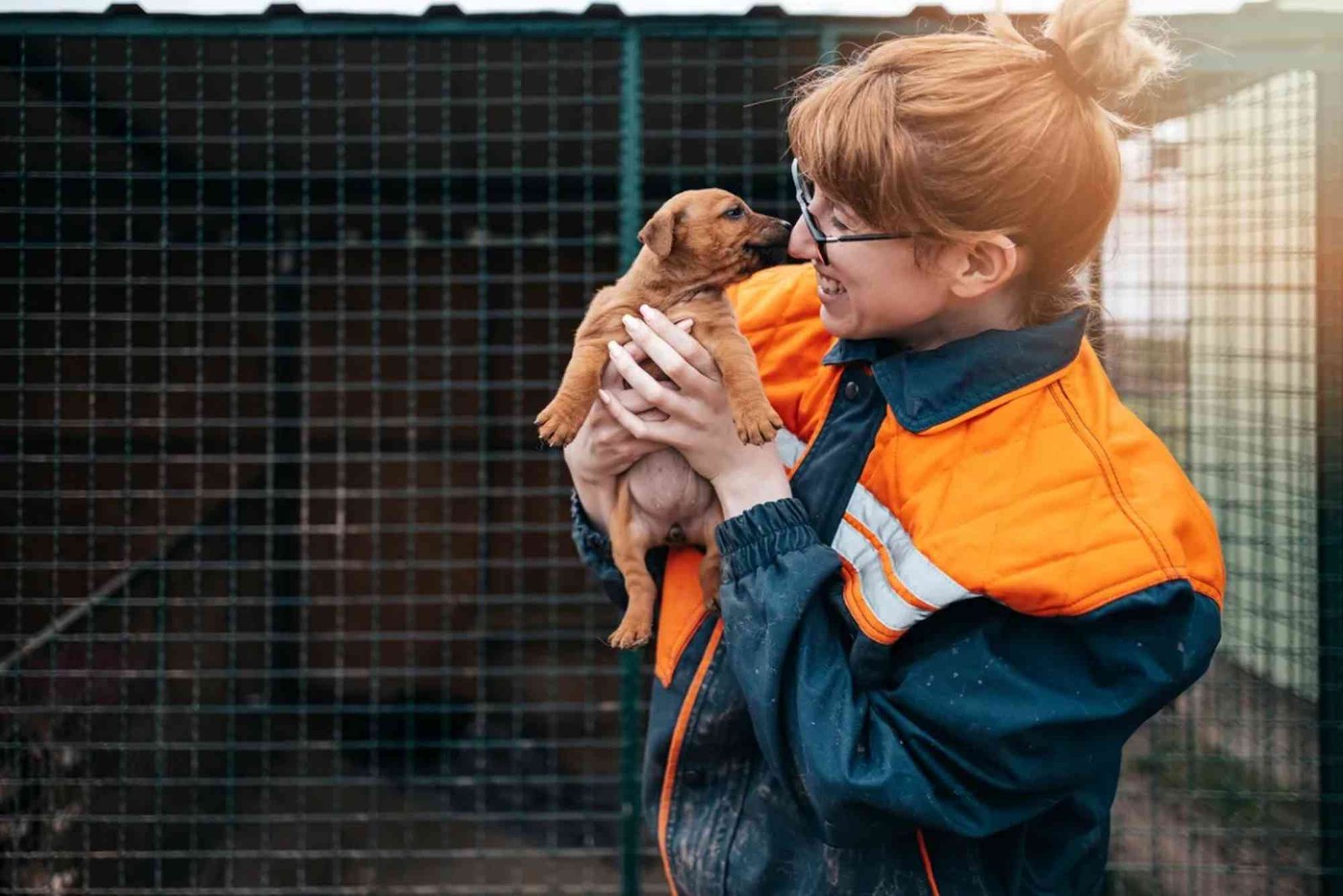
Animals are vital to our ecosystems, economy, and society. Yet, they face threats from habitat loss, poaching, pollution, and neglect. To safeguard these creatures, governments worldwide implement structured initiatives. A Government Program for Animal Protection provides legal, financial, and educational support to protect animals while promoting public awareness.
These programs not only rescue endangered species but also ensure humane treatment for domestic and farm animals. Understanding these initiatives helps citizens participate and support conservation efforts effectively.
Importance of a Government Program for Animal Protection
Protecting Endangered Species
One primary goal of government programs is to prevent species from becoming extinct. Governments monitor animal populations, establish protected habitats, and fund breeding programs. These initiatives have saved numerous species from the brink of extinction.
Promoting Animal Welfare
Government programs enforce laws against animal cruelty, regulate zoos and shelters, and ensure pets receive proper care. This reduces suffering caused by neglect, abuse, or improper management.
Supporting Ecosystems
Healthy animal populations maintain ecological balance. Government programs often integrate conservation strategies, such as protecting forests, wetlands, and oceans, benefiting biodiversity and humans alike.
Key Components of Government Animal Protection Programs
Legislation and Policies
Governments enact laws to regulate hunting, trade, and treatment of animals. Policies define penalties for abuse, promote ethical farming, and prevent exploitation.

Animal Rescue and Rehabilitation
Programs include rescue centers for injured or abandoned animals. Rehabilitation efforts prepare animals for reintroduction into their natural habitats when possible.
Public Awareness Campaigns
Education is crucial. Government programs organize campaigns to teach people about responsible pet ownership, wildlife conservation, and the importance of humane treatment.
Financial Support and Grants
Funding helps shelters, wildlife reserves, and research institutions. Grants also encourage studies on animal behavior, health, and conservation methods.
Collaboration with NGOs and Communities
Governments often partner with non-profits, local communities, and international organizations. This collaboration increases the program’s reach and effectiveness.
Examples of Successful Government Programs
Wildlife Conservation Programs
Many countries operate wildlife protection initiatives. These programs focus on preserving natural habitats, reducing poaching, and monitoring endangered species.
Anti-Cruelty Legislation
Governments implement strict regulations to prevent cruelty. Inspectors monitor pet shops, farms, and zoos to ensure compliance with animal welfare standards.
Vaccination and Health Programs
Some programs provide free or subsidized veterinary care. Vaccinations, spaying, and neutering reduce disease spread and control overpopulation.
Rehabilitation Centers
Dedicated centers rescue and rehabilitate abused or injured animals. These centers also educate the public on ethical treatment and animal rights.
How Government Programs Impact Society
Encouraging Responsible Pet Ownership
Programs educate the public about proper care for domestic animals, reducing abandonment and neglect.
Reducing Human-Animal Conflicts
By managing wild and stray animal populations, government programs minimize risks such as attacks or the spread of disease.
Enhancing Environmental Sustainability
Protecting animals contributes to ecological balance. Healthy wildlife populations help maintain forests, oceans, and wetlands.
Boosting Tourism and Economy
Protected wildlife parks and reserves attract tourists. This generates revenue and raises awareness about conservation efforts.
Ways Individuals Can Support Government Programs
Volunteer Opportunities
Many government programs welcome volunteers to help at shelters, conservation sites, or awareness campaigns.
Reporting Abuse
Citizens can report neglect or cruelty, assisting authorities in protecting vulnerable animals.
Educating Communities
Sharing knowledge about animal protection and responsible practices strengthens public support.
Supporting Funded Projects
Donations or participation in fundraising events help maintain shelters, rehabilitation centers, and wildlife programs.
Challenges Faced by Government Programs
Insufficient Funding
Limited budgets restrict the scope of programs, affecting rescue operations and conservation projects.
Enforcement Difficulties
Laws alone cannot protect animals. Proper enforcement requires trained personnel and monitoring systems.
Habitat Loss and Pollution
Rapid urbanization and environmental degradation continue to threaten animal populations, requiring more comprehensive strategies.
Public Apathy
Without community involvement, programs struggle to create lasting change. Awareness campaigns are essential to encourage participation.
Future of Government Animal Protection Programs
Integrating Technology
Modern tools like drones, GPS tracking, and AI help monitor animal populations and combat poaching.
Strengthening Global Collaboration
International cooperation allows governments to share best practices, funding, and research for animal protection.
Expanding Public Participation
Programs increasingly focus on education, community-led conservation, and citizen science projects to ensure sustainable protection efforts.
Promoting Policy Improvements
Ongoing research and public advocacy help improve animal welfare laws and enhance program effectiveness.
Government programs for animal protection play a vital role in preserving wildlife, promoting humane treatment, and maintaining ecological balance. Every citizen can support these efforts by volunteering, reporting abuse, or spreading awareness. Together, society and governments can create a world where animals thrive safely and sustainably. Take action today and contribute to programs that protect our planet’s invaluable animal life.
nusly.id is your go-to online platform for the latest trends, tips, and insights across lifestyle, tech, and entertainment. With fresh, engaging content updated regularly, nusly.id keeps you informed and inspired. Discover articles, guides, and stories that make your daily browsing both fun and meaningful.
FAQ
What is a Government Program for Animal Protection?
It is an official initiative by the government aimed at conserving wildlife, ensuring animal welfare, and preventing cruelty.
How do government programs protect endangered animals?
Programs establish protected areas, fund breeding programs, and enforce anti-poaching laws to maintain population levels.
Can I volunteer in a government animal protection program?
Yes, many programs accept volunteers for shelters, conservation projects, and educational campaigns.
Are these programs effective in reducing animal cruelty?
Yes, through legislation, inspections, public awareness, and rehabilitation centers, cruelty cases are significantly reduced.
How can I report animal abuse?
Citizens can contact local authorities or animal welfare hotlines established by government programs.