Introduction
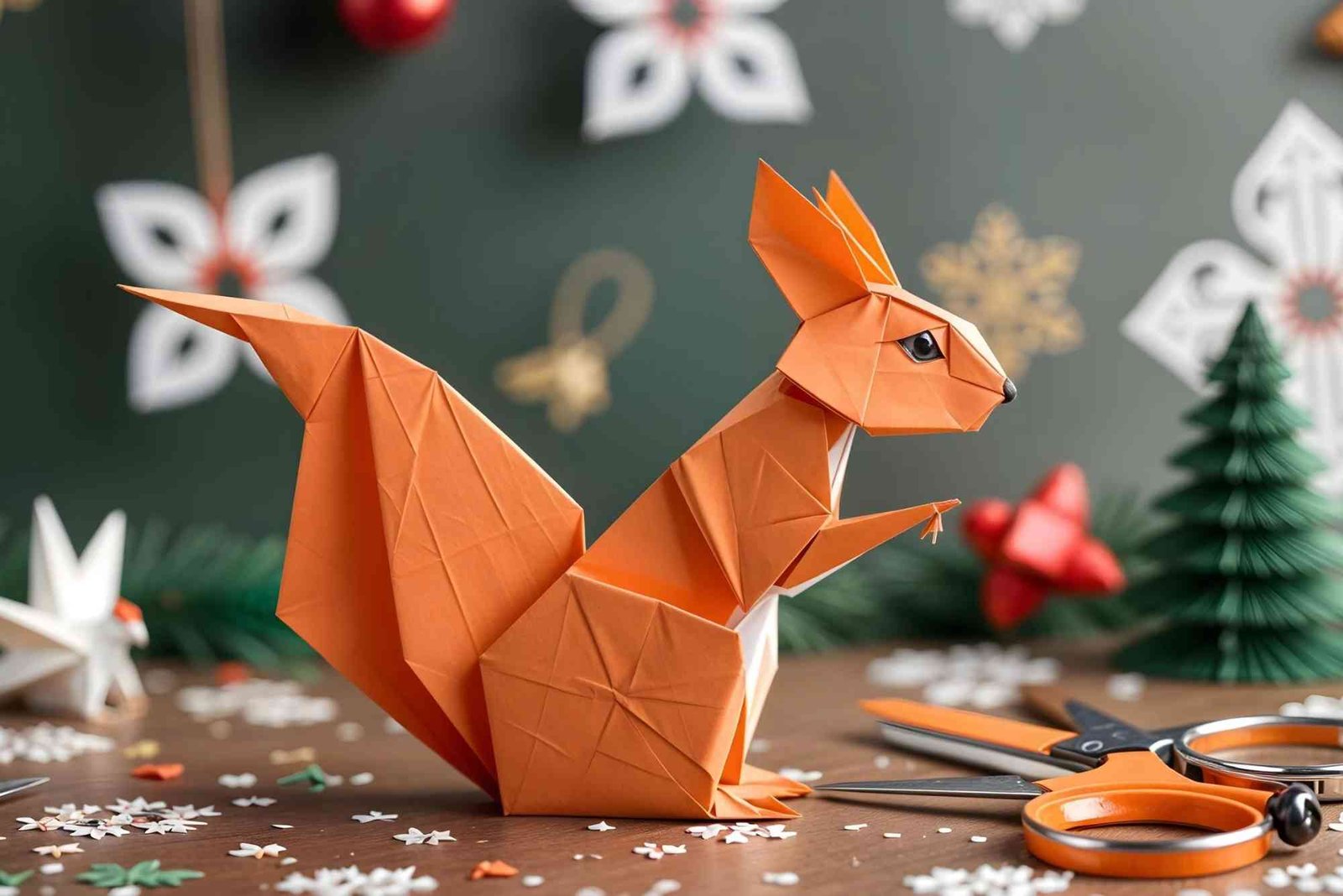
Origami, the centuries-old Japanese art of paper folding, has evolved far beyond its traditional roots. Today, modern origami art combines meticulous technique, creative expression, and mathematical precision to create intricate, awe-inspiring designs. From minimalist decorations to complex sculptures that seem almost impossible, origami opens the door to unlimited creativity. This article explores the world of modern origami, its innovative techniques, practical applications, and how it inspires both beginners and seasoned artists.
The Evolution of Origami: From Tradition to Modern Creativity
Origami began as a ceremonial and decorative practice in Japan, with simple folds representing cranes, boats, and flowers. Over time, artists around the world have reimagined this craft, blending tradition with contemporary aesthetics.
Traditional Origami Foundations
Traditional origami emphasizes precision and simplicity. With a single square sheet of paper, traditional folds like the valley fold and mountain fold create recognizable forms such as the classic crane. These foundational techniques remain essential for modern origami artists, ensuring that the structural integrity of complex designs is maintained.
Modern Innovations in Origami
Modern origami pushes boundaries with modular designs, tessellations, and wet-folding techniques. Artists now create complex creatures, geometric patterns, and even abstract sculptures that challenge conventional definitions of the art form. Computational origami, where mathematical algorithms guide folds, allows for designs that were once thought impossible.
Techniques That Unlock Creativity in Modern Origami
Modern origami is as much about experimentation as it is about skill. Exploring different folding methods and tools can lead to innovative results.
Modular Origami
Modular origami involves combining multiple folded units into a larger, often symmetrical, structure. This technique allows artists to create intricate 3D shapes like polyhedra, decorative spheres, or architectural models. Each unit contributes to the overall stability and beauty of the final piece.

Wet-Folding Technique
Wet-folding involves slightly dampening the paper before folding, enabling smoother curves and more sculptural forms. This technique is perfect for lifelike animals, flowing robes, or abstract sculptures that need soft, rounded edges instead of sharp angles.
Origami Tessellations
Tessellations use repeated geometric patterns to cover the entire paper surface. Modern artists explore mathematical patterns and algorithms to fold complex, interconnected designs. These tessellations can transform a simple sheet of paper into intricate, mesmerizing textures.
Materials and Tools for Modern Origami
While traditional origami often uses simple square paper, modern origami artists experiment with a wide range of materials.
Specialized Paper
Origami paper comes in different textures, thicknesses, and colors. Washi paper, foil-backed sheets, and even metallic papers allow artists to achieve folds that hold their shape and create visually stunning effects.
Tools That Enhance Precision
While hands are the primary tools in origami, modern artists sometimes use bone folders, tweezers, and rulers to achieve precise folds in complex designs. These tools enable intricate detailing, particularly in miniature or highly geometric creations.
Incorporating Mixed Media
Some contemporary artists combine origami with other mediums such as ink, watercolor, or even digital designs. This integration allows for creative storytelling and experimental artworks that expand the boundaries of traditional paper folding.
Applications of Modern Origami Art
Modern origami is more than just an art form—it has practical applications in design, science, and education.
Interior Design and Decor
Origami-inspired installations and decor pieces add elegance and sophistication to modern spaces. Large-scale paper sculptures, wall hangings, and origami lamps transform homes and offices with delicate geometry and artistry.
Educational Benefits
Origami teaches patience, spatial reasoning, and problem-solving skills. Many educators incorporate origami in STEM programs to explain mathematical principles, geometry, and even engineering concepts.
Engineering and Science
Origami principles have inspired innovations in robotics, medical devices, and space exploration. For instance, folding techniques have been used to design deployable solar panels for satellites and compact structures for medical stents.
Tips for Aspiring Modern Origami Artists
Becoming proficient in modern origami requires practice, patience, and curiosity.
Start Simple and Progress Gradually
Begin with traditional folds and simple designs before attempting complex modular or tessellated pieces. Mastering foundational techniques ensures more success with advanced projects.
Experiment and Embrace Mistakes
Modern origami thrives on experimentation. Folding “incorrectly” or altering traditional patterns can lead to unique creations. Allowing yourself to explore unconventional shapes fosters true creativity.
Join a Community
Origami communities, online forums, and workshops provide support, inspiration, and access to resources. Sharing your work and learning from others accelerates growth and opens opportunities for collaboration.
The Future of Modern Origami
As technology advances, origami continues to merge with digital design, robotics, and interactive art. Artificial intelligence can generate folding sequences, 3D printers create hybrid paper-like materials, and global collaboration allows artists to share techniques instantly. The future promises a fusion of art, science, and imagination where the possibilities truly are unlimited.
Unleash Your Creativity with Origami
Modern origami art is not just about folding paper—it is a journey of exploration, patience, and limitless creativity. Whether you are creating a delicate crane, a geometric sculpture, or an experimental installation, origami challenges you to see beyond the flat surface and imagine new possibilities.
Start your origami adventure today: pick up a sheet of paper, experiment with folds, and unlock the endless potential of your creativity.
FAQs
What is modern origami?
Modern origami expands traditional paper folding by incorporating new techniques, complex structures, and innovative designs that go beyond classic forms.
What paper is best for modern origami?
Specialty papers like washi, foil-backed sheets, and heavyweight colored paper work best for complex folds. Experimenting with textures can also enhance your designs.
Can beginners practice modern origami?
Yes! Start with simple designs, gradually progressing to more intricate folds. Patience and consistent practice are key.
Are there practical uses for origami?
Absolutely. Origami inspires art, interior design, education, engineering, and even space and medical technologies.
How can I learn advanced origami techniques?
Join workshops, online tutorials, and origami communities. Books by master folders and video tutorials can also provide step-by-step guidance.
The Trend of Collecting Vinyl Albums Among Young People has grown rapidly as a way for youth to connect with music tangibly. Many enjoy the warm sound, artistic album covers, and nostalgic feel. Vinyl collecting combines passion and style, turning music listening into a personal experience, and making it a popular hobby for younger generations.