Introduction
Entering your 30s marks a turning point in your skincare journey. This is when the first signs of aging — like fine lines, dullness, and loss of firmness — begin to appear. That’s why Anti‑Aging Facial Care for Ages 30+ isn’t just a trend — it’s a smart investment in your long‑term skin health. In this guide, we’ll walk through science‑backed routines, ingredients that truly work, lifestyle habits that support youthful skin, and answers to common questions.
Whether you’re just noticing your first lines or aiming to prevent aging before it begins, this article will help you build a thoughtful, effective anti‑aging routine.
Why Facial Care Changes After 30
As we age, our skin experiences biological shifts:
- Collagen production drops by about 1% per year starting in the late 20s, leading to less structural support.
- Cell turnover slows down, so dead skin cells linger longer, which can dull your complexion.
- Hormonal changes affect oil production and hydration levels.
That’s why anti‑aging facial care for ages 30+ must go beyond basic cleansing and moisturizing — it needs to focus on regeneration, repair, and antioxidant protection.
Core Principles of Anti‑Aging Facial Care
Understand Your Skin’s Unique Needs
Your skin type (dry, oily, combination, sensitive) influences what products and routines will work best for you. But certain challenges are common after 30:
- Fine lines & wrinkles
- Uneven texture
- Loss of firmness
- Dark spots or pigmentation
- Dryness and sensitivity
Consistency Matters More Than Complexity
A simple routine done consistently usually outperforms a complicated one used irregularly. The goal isn’t perfection — it’s dedication.

Prioritize Prevention and Maintenance
Good anti‑aging facial care isn’t just about reversing what’s already there — it’s about protecting skin from future damage.
Morning Routine: Prepare & Protect
Gentle Cleanser
Start with a mild, sulfate‑free cleanser that removes impurities without stripping natural oils. This maintains the skin’s barrier — crucial after 30.
Antioxidant Serum (Vitamin C)
Vitamin C serums help protect against environmental stressors like pollution and UV damage, and also brighten the skin. Look for stable forms such as L‑ascorbic acid or ascorbyl glucoside.
Moisturizer with Peptides or Hyaluronic Acid
Hydration is key. Hyaluronic acid pulls moisture into the skin, while peptides support collagen and elasticity.
Broad‑Spectrum SPF
This step is non‑negotiable. Daily sunscreen (SPF 30+) prevents premature aging from UV exposure. Even on cloudy days, UV rays penetrate the skin and accelerate aging.
Evening Routine: Repair & Renew
Double‑Cleanse (If You Wear Makeup or Sunscreen)
First, use an oil‑based cleanser; then follow with your gentle soap. This ensures deep removal without irritation.
Exfoliating Acids (2–3 Times/Week)
Alpha‑hydroxy acids (AHAs) like glycolic acid help slough off dead skin cells, improving texture and stimulating cell turnover. Use sparingly at first to avoid sensitivity.
Retinoids — The Gold Standard
Retinoids (like retinol or prescription tretinoin) are proven to boost collagen, smooth fine lines, and improve pigmentation. Start slow — 2–3 nights a week — and increase as tolerated.
- Tip: Always apply moisturizer after retinoids to reduce dryness.
Rich Night Moisturizer
At night, your skin focuses on repair. A cream that supports barrier repair with ceramides and fatty acids can lock in moisture and comfort.
Key Ingredients That Truly Work
Retinoids
- Boost cell turnover
- Increase collagen
- Improve fine lines and acne
Vitamin C
- Antioxidant protection
- Brightens dark spots
- Supports collagen stability
Hyaluronic Acid
- Hydrates and plumps skin
- Works for all skin types
Peptides
- Signal skin to produce collagen
- Improve elasticity
Niacinamide (Vitamin B3)
- Reduces inflammation
- Helps with pigmentation
- Strengthens skin barrier
Lifestyle Habits That Support Anti‑Aging Facial Care
Nutrition for Radiant Skin
Skin health is deeply connected to what you eat:
- Omega‑3 fatty acids: Found in salmon, walnuts, and chia seeds — help maintain skin’s lipid barrier.
- Antioxidant‑rich foods: Berries, leafy greens, and citrus protect skin from free radicals.
- Hydration: Drinking water supports elasticity and plumpness.
Sleep and Stress
Lack of sleep increases cortisol, which can break down collagen. Aim for 7–9 hours of quality rest per night.
Avoid Smoking & Limit Alcohol
Both accelerate skin aging by damaging collagen and reducing hydration.
Weekly Facial Care Add‑Ons
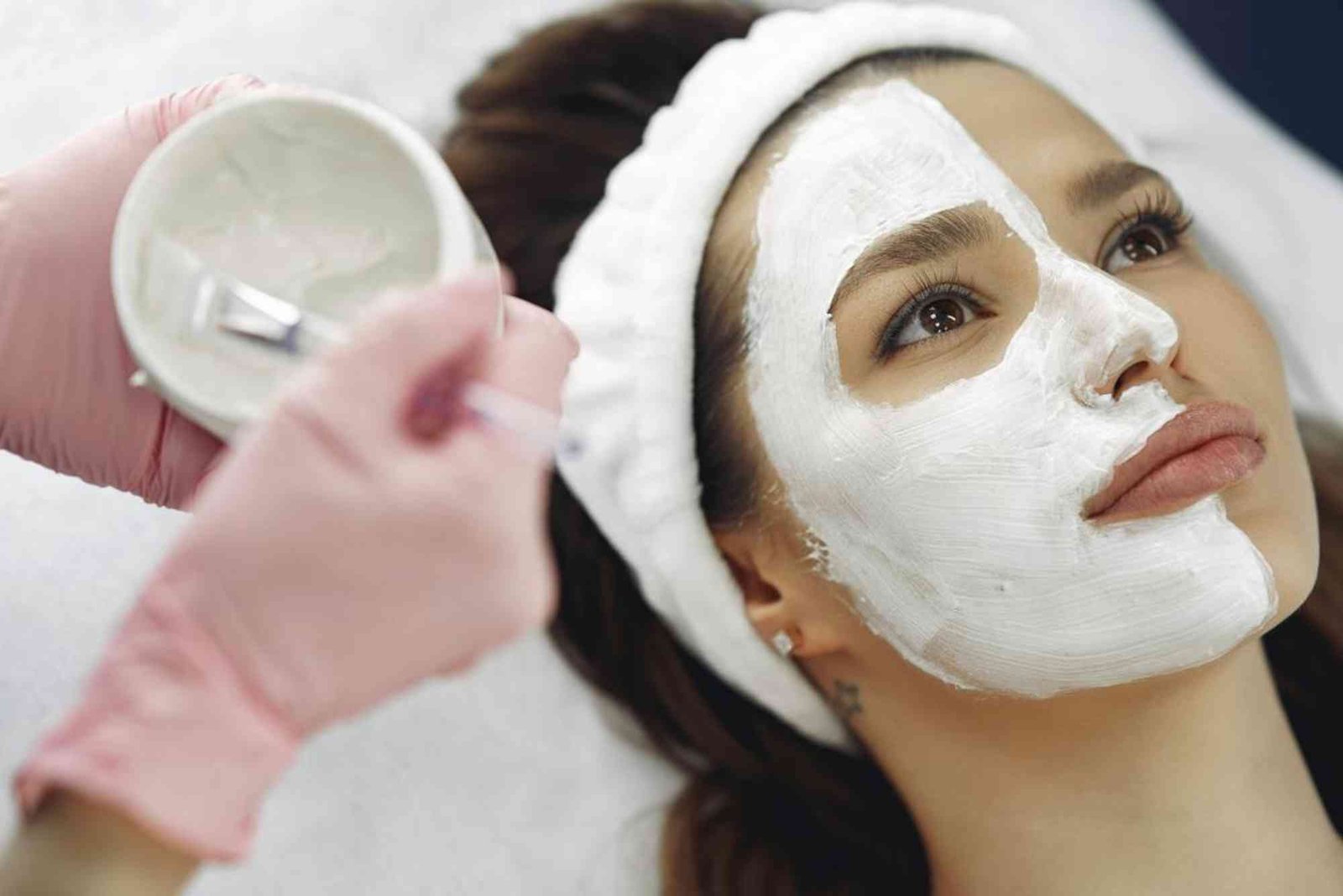
Hydrating Masks
Use once or twice a week for extra moisture — especially beneficial in dry weather.
Facial Massage or Gua Sha
Boosts circulation, supports lymphatic drainage, and can enhance product absorption.
Professional Exfoliation or Peels
Consider gentle chemical peels or microdermabrasion with a dermatologist for deeper renewal.
Common Mistakes to Avoid
Skipping Sunscreen on “Non‑Sunny” Days
UVA rays cause aging even when it’s overcast.
Using Too Many Active Ingredients at Once
Layering exfoliants, retinoids, and acids without guidance can irritate skin.
Ignoring the Neck and Décolletage
These areas age too and should be included in your routine.
How Long Until Results?
Everyone’s skin is different, but:
- Vitamin C changes can show brightness within 2–4 weeks
- Hydration improvements often appear in days
- Retinoid benefits continue over months with ongoing use
Patience and consistency are essential.
Make Anti‑Aging Facial Care for Ages 30+ Work for You
At 30 and beyond, your skin deserves thoughtful care — one that combines gentle habits with proven science. Whether you’re just starting or elevating your routine, the right combination of products, lifestyle changes, and consistent habits will make a noticeable difference.
FAQs
What is the best age to start anti‑aging facial care?
Many dermatologists recommend beginning preventative anti‑aging care in your late 20s to early 30s, especially sunscreen and antioxidant use.
How often should I use retinol?
Start with 2–3 nights a week, then gradually increase if your skin tolerates it well.
Can anti‑aging products reverse wrinkles?
Products like retinoids and peptides can significantly improve the appearance of fine lines but can’t erase deep wrinkles entirely — they’re most effective when started early.
Is natural skincare enough to prevent aging?
Natural products can support skin health, but evidence‑backed ingredients (retinoids, vitamin C, SPF) provide more reliable anti‑aging results.
Does diet affect skin aging?
Yes — a balanced diet rich in antioxidants and healthy fats supports skin structure and resilience.
Rainy Season Outfits That Stay Stylish – Staying fashionable in the rainy season is all about combining style with practicality. Opt for waterproof jackets, chic umbrellas, and stylish boots. Layering lightweight pieces keeps you comfortable, while bright colors or patterns add a fun touch. Accessories like hats and scarves complete a trendy, weather-ready look.