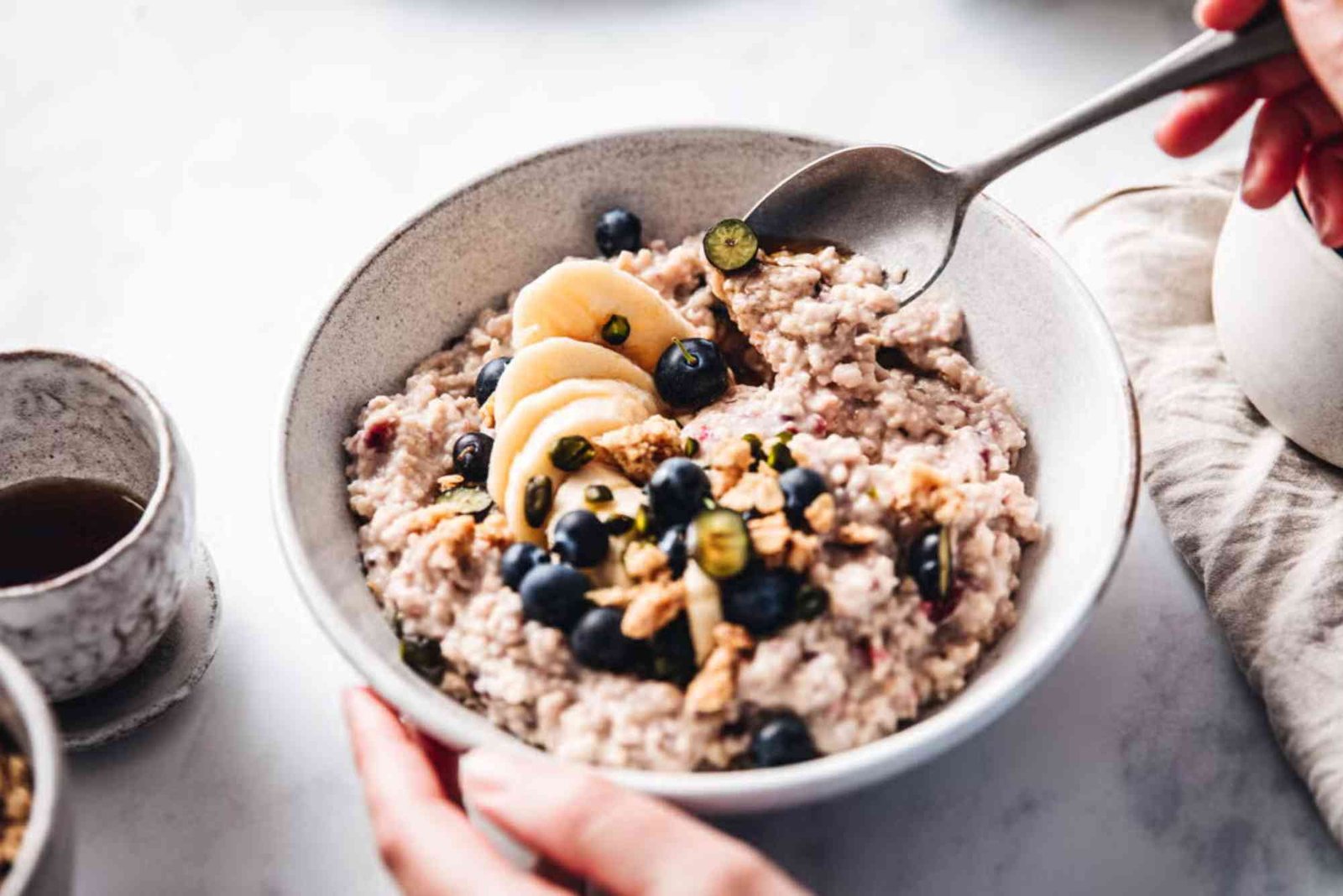
Healthy eating continues to evolve, driven by consumers seeking wellness, sustainability, and convenience. Understanding the popular healthy food trends this year can help you make smarter dietary choices and stay on top of nutritional innovations. From plant-based alternatives to functional superfoods, these trends reflect a shift toward mindful eating and holistic wellness.
Plant-Based Eating Goes Mainstream
Plant-based diets are no longer niche. More people are choosing plant-based options for health, ethical, and environmental reasons.
Flexitarian Lifestyle
The flexitarian approach emphasizes mostly plant-based meals while allowing occasional animal products. It reduces saturated fat intake, supports heart health, and fits busy lifestyles.
Innovative Meat Alternatives
Beyond tofu and tempeh, products made from pea protein, soy, and mushrooms mimic meat flavors and textures. These alternatives appeal to both vegans and omnivores looking to reduce meat consumption.
Functional Foods for Health Benefits
Consumers increasingly seek foods that do more than fill—they offer targeted health benefits.
Gut-Healthy Foods
Probiotics, prebiotics, and fermented foods like kimchi, kefir, and kombucha promote gut health. A balanced gut microbiome supports immunity, digestion, and mental wellness.

Adaptogens and Superfoods
Ingredients like ashwagandha, turmeric, and maca help combat stress, boost energy, and support immunity. These functional foods are incorporated into smoothies, teas, and snacks.
Sustainable and Local Ingredients
Sustainability has become a key factor in food choices, influencing both production and consumption.
Farm-to-Table Practices
Consumers favor locally sourced produce, which reduces carbon footprints and ensures fresher, nutrient-rich meals. Farmers’ markets and local co-ops are experiencing renewed popularity.
Regenerative Agriculture
This approach prioritizes soil health and biodiversity. Foods grown through regenerative methods often offer higher nutrient density and environmental benefits.
Low-Sugar and Natural Sweeteners
Awareness of sugar’s impact on health drives demand for natural sweeteners and reduced-sugar products.
Alternative Sweeteners
Stevia, monk fruit, and erythritol are replacing refined sugar. They offer sweetness without the blood sugar spikes, supporting weight management and metabolic health.
Reduced-Sugar Beverages
Juices, sodas, and flavored drinks now feature less sugar or plant-based sweeteners, catering to health-conscious consumers.
Ready-to-Eat Health Foods
Convenience and nutrition converge in ready-to-eat options.
Healthy Meal Kits
Subscription services offer pre-portioned ingredients with balanced nutrition. Consumers save time while ensuring dietary goals are met.
Functional Snacks
Snacks enriched with protein, fiber, or vitamins cater to on-the-go lifestyles. Nuts, seed bars, and protein bites have become daily staples.
Personalized Nutrition
Technology enables diets tailored to individual needs, maximizing health outcomes.
DNA and Microbiome Testing
These tests provide insights into genetic predispositions, dietary tolerances, and gut health, helping consumers personalize nutrition.
Apps and AI Guidance
Nutrition apps now track macro and micronutrients, offering real-time recommendations and meal planning. This trend combines convenience with data-driven health insights.
Global Flavors and Fusion Foods
Health-conscious eating embraces cultural diversity, making nutritious meals exciting and flavorful.
Ancient Grains
Quinoa, farro, and millet provide higher fiber and protein than refined grains. They’re versatile, gluten-free options for modern diets.
Plant-Based Ethnic Cuisines
Mediterranean, Asian, and African cuisines inspire dishes that combine flavor with nutrient density, making healthy eating enjoyable and sustainable.
Mindful Eating Practices
Eating with intention is increasingly recognized as essential for both physical and mental health.
Slow and Intuitive Eating
Consumers focus on portion control, savoring flavors, and listening to hunger cues. This reduces overeating and promotes digestion.
Conscious Snacking
Mindful snacking encourages choosing nutrient-rich options, reducing mindless consumption of processed foods.
The popular healthy food trends this year reflect a movement toward mindful, functional, and sustainable eating. By incorporating plant-based alternatives, functional foods, and mindful practices, individuals can enhance both physical and mental well-being. Embracing these trends doesn’t require drastic changes—small adjustments can yield lasting benefits.
Take the first step toward healthier eating today by exploring plant-based meals, functional snacks, and local ingredients. Your body and the planet will thank you.
nusly.id is your go-to online platform for the latest trends, tips, and insights across lifestyle, tech, and entertainment. With fresh, engaging content updated regularly, nusly.id keeps you informed and inspired. Discover articles, guides, and stories that make your daily browsing both fun and meaningful.
FAQ
What are the trending healthy foods this year?
Trending foods include plant-based alternatives, fermented foods, ancient grains, and snacks enriched with protein or fiber.
Why is plant-based eating popular now?
Plant-based diets are popular due to health benefits, ethical considerations, and environmental sustainability.
What are functional foods?
Functional foods provide health benefits beyond basic nutrition, such as probiotics for gut health or adaptogens for stress relief.
How can I adopt these healthy trends easily?
Start small: try plant-based meals a few times a week, incorporate fermented foods, and replace sugar with natural sweeteners.
Are personalized nutrition diets effective?
Yes, personalized nutrition based on DNA, microbiome, or app guidance can optimize health outcomes and dietary compliance.