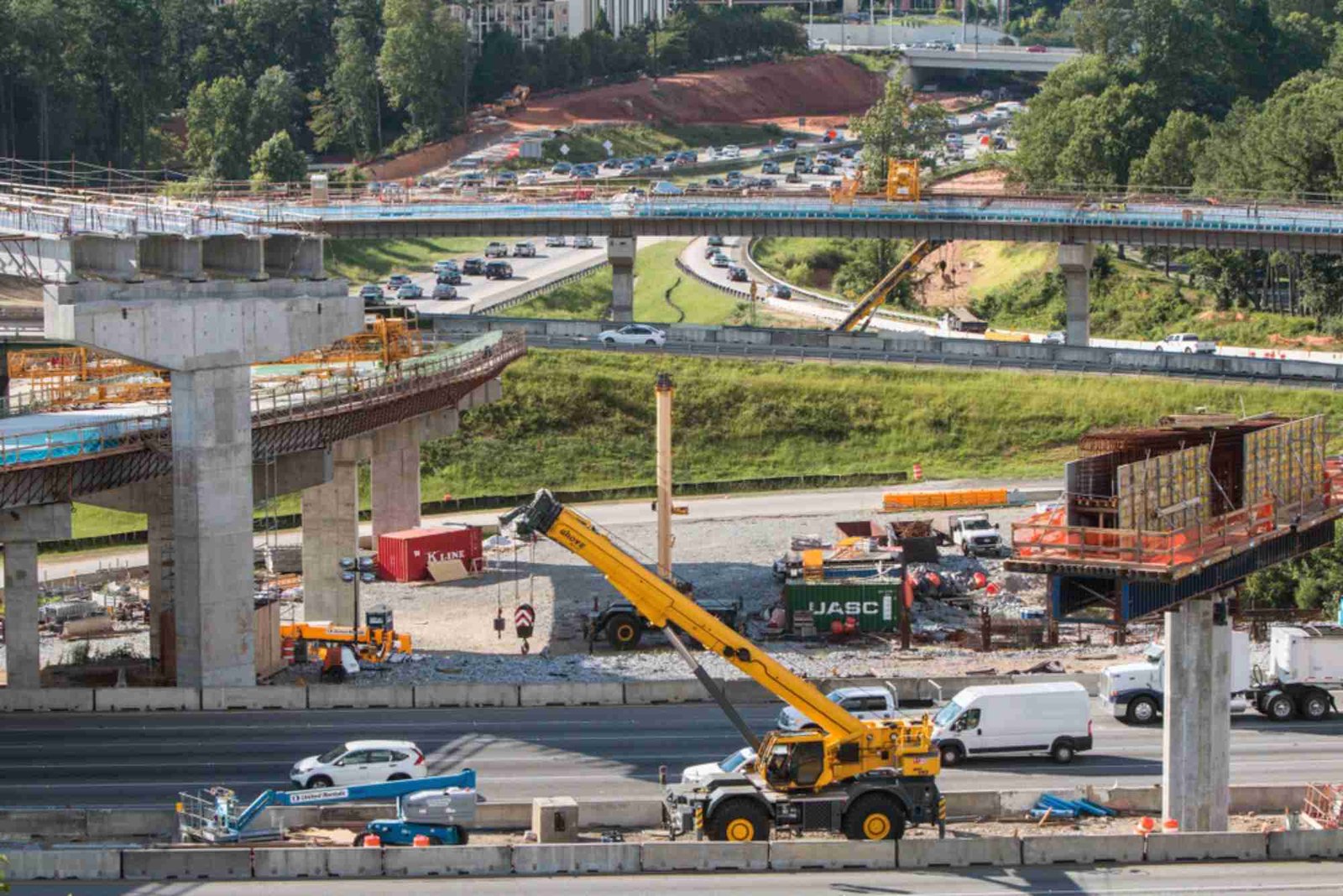
Infrastructure is the backbone of a nation’s economic growth and social development. Recognizing this, governments worldwide implement dedicated initiatives aimed at modernizing and expanding essential facilities. The Government Program for Infrastructure Improvement is a strategic effort to enhance roads, bridges, public transit, utilities, and other critical services, ensuring communities thrive and economies remain competitive.
Importance of Infrastructure Development
Infrastructure plays a pivotal role in connecting people, goods, and services. Efficient transportation systems, reliable utilities, and well-maintained public facilities contribute to smoother business operations, increased employment opportunities, and higher living standards. The Government Program for Infrastructure Improvement focuses on addressing existing gaps while preparing for future demands.
Economic Growth and Job Creation
Investments in infrastructure directly stimulate economic activity. Construction projects, maintenance efforts, and technological upgrades generate employment and support local industries. By improving logistics and reducing transportation costs, these programs also attract businesses, boosting national revenue.
Enhancing Public Safety
Deteriorating roads, bridges, and water systems pose serious risks. The program prioritizes safety upgrades, reducing accidents, structural failures, and service interruptions. Emergency response systems and public facilities are also strengthened to protect communities during natural disasters or crises.
Promoting Sustainable Development
Modern infrastructure programs integrate eco-friendly designs and technologies. Green energy solutions, efficient water management, and smart transportation systems reduce environmental impact. This ensures that infrastructure growth aligns with climate goals and long-term sustainability.
Key Components of the Government Program for Infrastructure Improvement
The Government Program for Infrastructure Improvement covers several areas, targeting both urban and rural regions. Understanding these components highlights how comprehensive planning enhances the quality of life for citizens.

Transportation Networks
Transportation remains a primary focus. Projects under this initiative include expanding highways, repairing bridges, modernizing rail systems, and improving airports. Reliable transportation facilitates trade, reduces travel time, and supports emergency services.
Utilities and Public Services
Utilities such as electricity, water, and waste management systems are upgraded to meet growing population demands. Advanced water treatment plants, renewable energy projects, and reliable electrical grids are part of the program’s core strategy.
Digital Infrastructure
In today’s connected world, digital infrastructure is equally important. High-speed internet access, smart city technologies, and cybersecurity initiatives ensure that both citizens and businesses can operate efficiently and safely.
Urban Development and Housing
The program often includes urban renewal projects, affordable housing construction, and public facility upgrades. These initiatives improve community well-being and reduce the strain on overcrowded cities.
Funding and Implementation Strategies
Government programs require careful financial planning and execution. Funding comes from federal budgets, state contributions, public-private partnerships, and international development loans. Strategic planning ensures projects are completed efficiently while minimizing cost overruns.
Public-Private Partnerships
Collaborating with private companies allows the government to leverage expertise and funding. This partnership model accelerates project completion, introduces innovative technologies, and distributes financial risk.
Prioritization and Planning
Projects are prioritized based on urgency, economic impact, and community needs. Data-driven assessments help policymakers allocate resources to the most critical areas, ensuring maximum benefit for citizens.
Monitoring and Accountability
Transparent reporting and continuous monitoring guarantee that projects meet quality standards. Regular audits and public updates foster trust and accountability, ensuring the program delivers its intended impact.
Benefits of the Program
The Government Program for Infrastructure Improvement offers tangible benefits to both citizens and the economy. Beyond enhancing transportation and utilities, it strengthens the overall quality of life and promotes long-term resilience.
Improved Connectivity
Upgraded roads, bridges, and transit systems reduce travel time and connect rural communities to urban centers. This improved connectivity boosts commerce, education, and healthcare access.
Economic Competitiveness
Modern infrastructure attracts domestic and international businesses. Reliable logistics, advanced digital networks, and sustainable utilities position a country as a competitive investment destination.
Community Well-Being
Access to safe roads, clean water, reliable electricity, and modern public facilities improves living standards. Infrastructure programs also encourage recreational spaces, cultural centers, and community services.
Challenges and Solutions
While the benefits are clear, infrastructure programs face challenges such as funding shortages, project delays, and regulatory hurdles. Addressing these issues ensures that the Government Program for Infrastructure Improvement remains effective.
Funding Constraints
Limited budgets may delay projects. Innovative financing, phased implementation, and public-private partnerships help overcome these constraints.
Environmental Concerns
Large-scale construction can impact ecosystems. Incorporating environmental assessments, sustainable materials, and green technologies minimizes harm.
Maintenance and Longevity
Infrastructure requires ongoing maintenance. Long-term planning, scheduled inspections, and modern construction techniques ensure durability and efficiency.
The Government Program for Infrastructure Improvement is essential for economic growth, public safety, and sustainable development. By modernizing transportation, utilities, digital networks, and community facilities, the program ensures that citizens enjoy a higher quality of life while supporting national competitiveness. Governments, private partners, and communities must work together to maximize the benefits of these initiatives.
Investing in infrastructure is not just about buildings and roads—it’s about creating a foundation for a stronger, safer, and more prosperous future. Engaging with local projects, supporting policy initiatives, or learning more about government programs can contribute to this ongoing transformation.
nusly.id is your go-to online platform for the latest trends, tips, and insights across lifestyle, tech, and entertainment. With fresh, engaging content updated regularly, nusly.id keeps you informed and inspired. Discover articles, guides, and stories that make your daily browsing both fun and meaningful.
FAQ
What is the main goal of the Government Program for Infrastructure Improvement?
The main goal is to enhance transportation, utilities, digital networks, and public facilities to support economic growth and community development.
How does infrastructure improvement create jobs?
Construction, maintenance, and technological projects generate employment in engineering, labor, and management sectors.
Are public-private partnerships part of the program?
Yes, collaboration with private companies accelerates project completion and introduces innovative technologies.
How does the program promote sustainability?
It integrates eco-friendly designs, renewable energy, water management systems, and smart technologies to reduce environmental impact.
Which sectors benefit the most from infrastructure programs?
Transportation, utilities, digital infrastructure, urban development, and public services see the most significant improvements.
How are projects prioritized in the program?
Projects are prioritized based on urgency, economic impact, and community needs using data-driven assessments.
Can citizens get involved in infrastructure initiatives?
Yes, citizens can participate through community feedback, supporting policy initiatives, or engaging in local development programs.