The film industry has always been a reflection of human creativity, but technological developments in the world of film have dramatically transformed how stories are told. From early silent films to today’s immersive experiences, technology has redefined every stage of filmmaking. This article explores the major technological advancements shaping the modern film industry and how they influence storytelling, production, and audience engagement.
Evolution of Filmmaking Technology
Early Innovations in Film
The foundation of modern cinema was built on mechanical cameras and celluloid film. In the late 19th and early 20th centuries, innovations like the kinetoscope and the Lumière brothers’ cinematograph allowed filmmakers to capture and project moving images for the first time. These technological developments in the world of film set the stage for narrative storytelling on a grand scale.
Transition to Sound and Color
The introduction of synchronized sound in the 1920s and color film in the 1930s revolutionized cinema. Films like The Jazz Singer showcased the possibilities of sound, while Technicolor created vibrant visual experiences. These developments not only improved technical quality but also expanded the creative possibilities for filmmakers.
Digital Revolution in Filmmaking
The late 20th century marked the shift from analog to digital technology. Digital cameras and editing software replaced traditional film reels, reducing production costs and increasing efficiency. Digital projection systems enhanced theaters, and high-definition cameras enabled more detailed imagery. The digital revolution represents one of the most impactful technological developments in the world of film.
Advancements in Visual Effects
Computer-Generated Imagery (CGI)
CGI transformed the cinematic landscape, enabling filmmakers to create worlds, characters, and effects previously impossible. Movies like Jurassic Park and Avatar demonstrated how CGI could blend seamlessly with live-action footage, enhancing storytelling. Today, CGI is a staple in blockbuster productions.
Motion Capture Technology
Motion capture technology allows actors’ movements to be digitally recorded and applied to animated characters. This innovation has brought life to characters in films like The Lord of the Rings and Planet of the Apes. Motion capture adds realism to fantastical elements, improving audience immersion.

Virtual Production Techniques
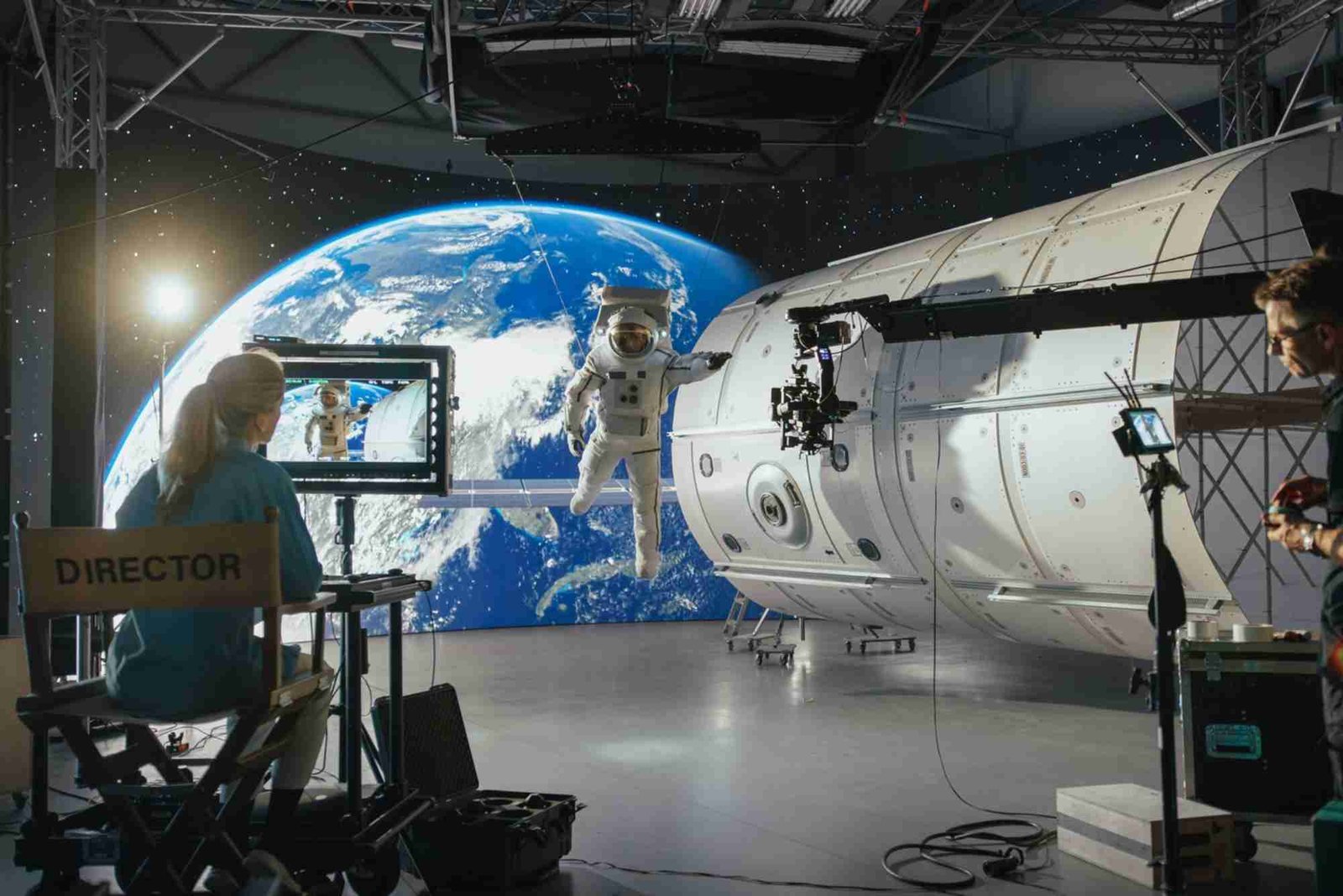
Virtual production combines real-time CGI, LED screens, and camera tracking. Shows like The Mandalorian use this technique to create realistic environments without location shoots. Virtual production has streamlined filmmaking, reducing costs and expanding creative freedom.
Audio and Sound Innovations
Surround Sound and Dolby Atmos
Technological developments in the world of film are not limited to visuals. Surround sound systems, including Dolby Atmos, provide an immersive audio experience, allowing filmmakers to direct sound movement around the audience. This innovation enhances storytelling by adding depth and atmosphere.
Digital Sound Editing
Digital sound editing has revolutionized post-production. Editors can manipulate audio with precision, from dialogue clarity to sound effects. Advanced sound technologies allow for subtle audio cues that enhance emotional impact and realism.
Impact of Streaming and Distribution Technology
Online Streaming Platforms
The rise of streaming platforms has changed how audiences consume films. Services like Netflix and Disney+ rely on technological developments in the world of film, including compression algorithms and adaptive streaming, to deliver high-quality content globally.
Digital Distribution and Accessibility
Digital distribution reduces reliance on physical media, making films more accessible. Independent filmmakers benefit from technology that allows worldwide release with minimal cost. This democratization of film production and distribution is a significant shift in the industry.
Future Technologies in Filmmaking
Artificial Intelligence in Film
AI is beginning to influence scriptwriting, editing, and visual effects. AI algorithms can analyze audience preferences, predict box office success, and even create realistic digital actors. As AI develops, it will continue to redefine production processes.
Virtual Reality (VR) and Augmented Reality (AR)
VR and AR offer immersive storytelling experiences. Viewers can step into the film world, interact with characters, and explore narratives in new ways. These technologies represent the next frontier in cinematic engagement, expanding the boundaries of traditional storytelling.
Holographic and 3D Projection
Holographic projections and advanced 3D systems are pushing the limits of theater experiences. While still emerging, these technologies could transform live film presentations and interactive storytelling.
The Role of Technology in Creative Storytelling
Technological developments in the world of film enhance storytelling without replacing creativity. Directors and writers leverage new tools to visualize complex ideas, create unique worlds, and engage audiences emotionally. Innovations like CGI, VR, and AI provide freedom to experiment with narrative structures while maintaining artistic integrity.
Challenges and Considerations
While technology has transformed filmmaking, it also presents challenges. High costs of advanced technology, potential overreliance on visual effects, and ethical concerns around AI-generated content require careful consideration. Balancing technology with storytelling ensures that innovation serves the narrative rather than overshadowing it.
Technological developments in the world of film have reshaped cinema in ways once unimaginable. From early mechanical cameras to AI-driven production tools, each advancement has expanded creative possibilities and audience experiences. Filmmakers today have unprecedented tools to tell stories that captivate, inspire, and entertain.
As technology continues to evolve, the future of cinema promises even more immersive, interactive, and visually stunning experiences. Embracing these innovations while focusing on strong storytelling is key to shaping the next era of filmmaking.
Explore these technological trends, experiment with new tools, and be part of the cinematic revolution today.
nusly.id is your go-to online platform for the latest trends, tips, and insights across lifestyle, tech, and entertainment. With fresh, engaging content updated regularly, nusly.id keeps you informed and inspired. Discover articles, guides, and stories that make your daily browsing both fun and meaningful.
FAQ
What are the most important technological developments in film history?
Early cameras, sound, color, digital editing, CGI, motion capture, and streaming platforms are key milestones shaping modern filmmaking.
How has CGI impacted modern filmmaking?
CGI allows filmmakers to create realistic worlds and characters, enhancing visual storytelling and enabling previously impossible scenes.
What role does AI play in film production?
AI assists in scriptwriting, editing, visual effects, audience analysis, and even digital actors, streamlining production and predicting audience preferences.
How do VR and AR influence film experiences?
VR and AR create immersive environments, allowing viewers to interact with stories and explore narratives beyond traditional cinema.
Are virtual production techniques cost-effective?
Yes, virtual production reduces location shooting costs and provides greater creative flexibility, making high-quality filmmaking more efficient.