Introduction
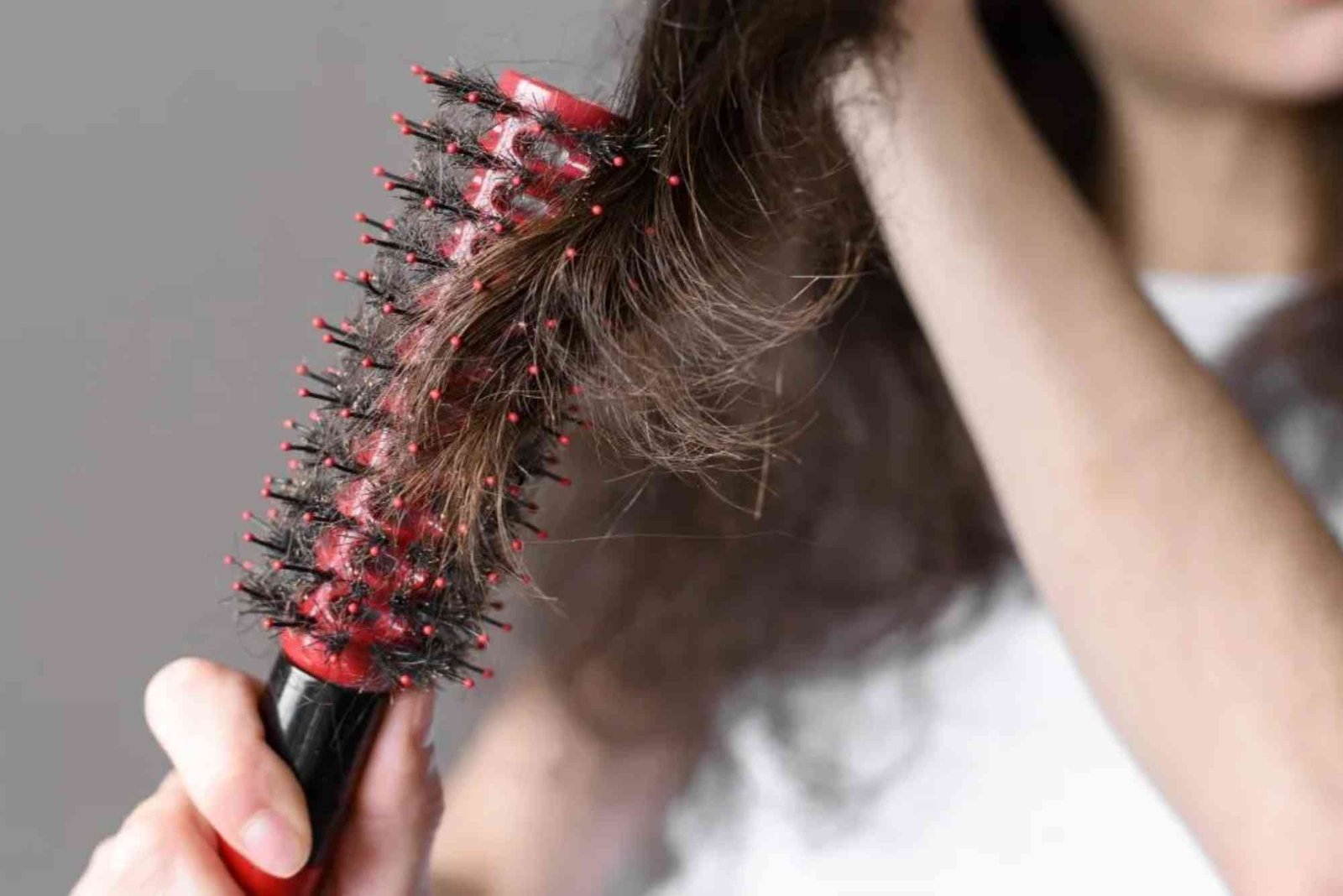
Split ends are one of the most frustrating hair problems, especially when you are trying to grow your hair long or maintain a particular style. Most people automatically think the only solution is to snip them off, but the truth is, there are several effective ways to treat split ends without cutting. By adopting the right hair care routine, nourishing treatments, and protective habits, you can reduce the appearance of split ends and keep your hair healthy. This guide explores practical methods to manage and prevent split ends naturally.
Understanding Split Ends
Split ends, also called trichoptilosis, occur when the protective outer layer of the hair cuticle wears down due to damage. This causes the hair strand to split into two or more strands at the tip. Common causes include heat styling, chemical treatments, environmental exposure, and mechanical stress like brushing or tying hair too tightly.
Signs Your Hair Has Split Ends
- Hair feels dry and brittle at the tips
- Frayed or uneven hair ends
- Increased tangling and breakage
- Hair appears dull or lacks shine
Understanding the root causes helps you choose the right approach to treating and preventing split ends without resorting to trimming frequently.
Deep Conditioning and Hair Treatments
One of the most effective ways to manage split ends is through deep conditioning and nourishing treatments. These methods help strengthen the hair shaft, reduce breakage, and temporarily smooth split ends.
Natural Oils
Natural oils are excellent for nourishing hair and sealing moisture. Coconut oil, argan oil, and olive oil penetrate the hair shaft to strengthen it and reduce friction. Apply oil from mid-lengths to ends, leave it on for 30–60 minutes, and rinse with a mild shampoo. Regular oil treatments can improve hair elasticity and reduce further splitting.
Hair Masks
Hair masks containing proteins, vitamins, and hydrating ingredients help repair weak strands. Ingredients like keratin, shea butter, and avocado oil work effectively to fortify hair. Use a hair mask once or twice a week for best results.

Leave-In Conditioners
Leave-in conditioners are lightweight and provide ongoing moisture throughout the day. They create a protective barrier against environmental damage and heat styling, reducing the likelihood of split ends forming.
Gentle Hair Care Practices
Prevention is as important as treatment. Gentle hair care practices can minimize the stress on your strands and prevent split ends from worsening.
Proper Washing Techniques
Over-washing or using harsh shampoos can strip natural oils, leaving hair dry and more prone to splitting. Use a sulfate-free shampoo and lukewarm water, and focus on cleansing the scalp rather than scrubbing the ends.
Detangling with Care
Brushing wet hair aggressively is a major cause of split ends. Use a wide-tooth comb and start detangling from the tips, gradually working upwards. Detangling sprays or leave-in conditioners can make this process smoother.
Limit Heat Styling
Frequent use of flat irons, curling wands, and blow dryers weakens the hair shaft. Minimize heat exposure and always use a heat protectant spray to shield hair from damage.
Protective Hairstyles
Avoid hairstyles that pull tightly at the hair roots or tips. Loose braids, buns, or ponytails reduce tension and prevent breakage. Changing hairstyles regularly can also prevent repeated stress on the same strands.
Nutritional Support for Healthy Hair
Healthy hair starts from within. A diet rich in essential nutrients helps strengthen hair and prevents split ends.
Protein
Hair is primarily made of keratin, a type of protein. Include sources like eggs, fish, lean meat, beans, and nuts to support hair strength.
Omega-3 Fatty Acids
Found in salmon, flaxseeds, and walnuts, omega-3 fatty acids nourish the scalp and promote flexible, strong hair.
Vitamins and Minerals
Biotin, vitamin E, vitamin C, and zinc are crucial for hair repair and growth. Incorporate leafy greens, citrus fruits, seeds, and whole grains into your meals.
Quick Fixes for Immediate Appearance
Even without cutting, there are ways to make split ends less noticeable while you work on long-term treatment.
Hair Serums
Silicone-based hair serums coat the ends and temporarily seal splits, giving hair a smoother and shinier look.
Trimming Split Ends With Scissors
If a few split ends are visible, you can carefully snip them with hair scissors, leaving most of the hair intact. This is different from a full haircut but can prevent splits from traveling up the shaft.
Styling Tricks
Braiding or twisting hair before sleeping can prevent friction, and curling or straightening hair slightly can hide rough ends until they repair naturally.
Preventive Measures for Long-Term Health
Consistent hair care habits prevent split ends from recurring.
Regular Deep Conditioning
Make deep conditioning a weekly habit to maintain moisture balance and strengthen hair strands.
Avoid Overprocessing
Limit chemical treatments such as bleaching, perming, or frequent coloring. When necessary, follow up with protein treatments to restore strength.
Protect From Environmental Damage
Sun, wind, and pollution can weaken hair. Wear scarves or hats outdoors and consider UV-protective hair sprays.
Use the Right Tools
Use soft-bristle brushes and microfiber towels to reduce friction. Avoid metal combs or rough towel drying, which can exacerbate split ends.
FAQs
Can split ends repair themselves without cutting?
Split ends cannot fully repair themselves. However, deep conditioning, oils, and protein treatments can temporarily bind split strands and reduce their appearance.
How often should I treat my hair to prevent split ends?
Treatments like oiling or hair masks can be done 1–2 times per week. Gentle care practices should be daily habits.
Are natural remedies effective for split ends?
Yes, natural oils, honey, and avocado masks can nourish hair, improve elasticity, and prevent further splitting, especially when combined with protective hair practices.
Does brushing hair less prevent split ends?
Brushing carefully with a wide-tooth comb or soft-bristle brush reduces breakage. Over-brushing or rough handling increases split ends.
Can diet really affect split ends?
Absolutely. Hair health depends on proteins, vitamins, and minerals. A balanced diet supports strong hair and reduces breakage and splitting.
Treating split ends without cutting is entirely possible with the right combination of nourishing treatments, gentle hair care practices, and preventive measures. While it may take time to see significant results, patience and consistency will leave your hair stronger, shinier, and healthier. Start incorporating deep conditioning, natural oils, protective styling, and a nutrient-rich diet into your routine today to minimize split ends and enjoy hair that looks and feels amazing.
How to Remove Acne Scars with Skincare: Treating acne scars starts with a consistent skincare routine. Use gentle cleansers, exfoliants with AHAs or BHAs, and products containing vitamin C or niacinamide to brighten and repair skin. Always moisturize and protect your skin with sunscreen to prevent further damage and promote healing.