Introduction
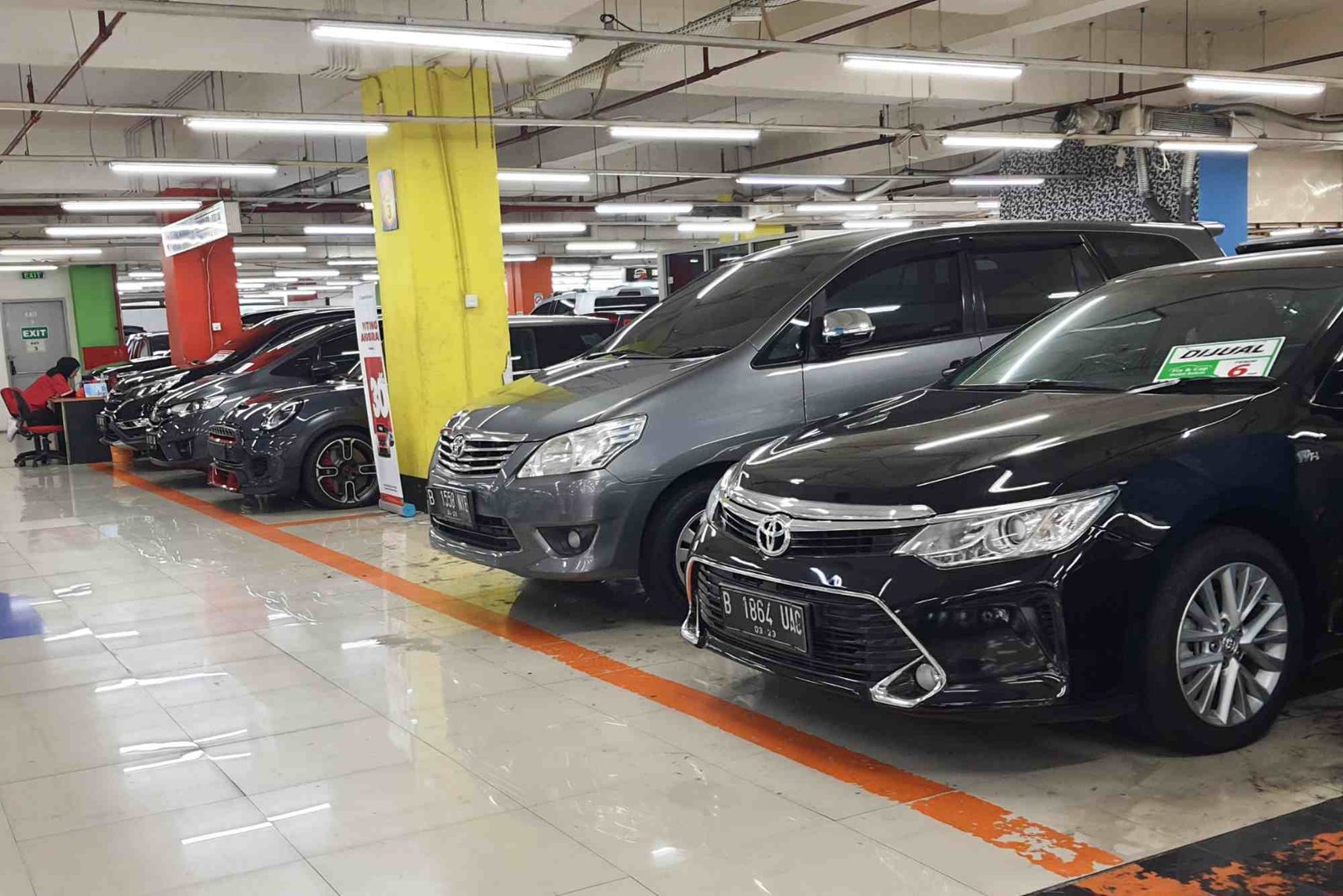
Buying a used car can be a smart financial decision, but it comes with its risks. A car may look perfect at first glance, but hidden issues can lead to expensive repairs down the road. Knowing how to check the condition of a used car before buying can save you both money and stress. This guide will provide detailed steps, expert advice, and insider tips to help you make a confident purchase.
Why Checking a Used Car Matters
Before diving into the inspection process, it’s important to understand why a thorough check is essential.
Avoid Unexpected Repairs
Many used cars may have hidden mechanical issues. By inspecting the car carefully, you can identify potential problems before they become costly repairs.
Ensure Vehicle Safety
A used car with faulty brakes, worn-out tires, or structural damage can be dangerous. Checking the car ensures it meets safety standards.
Determine True Value
An accurate assessment of the car’s condition helps you negotiate a fair price and avoid overpaying.
Exterior Inspection
The first step is to examine the car’s exterior carefully.

Check for Body Damage
Look for dents, scratches, and rust spots. Pay close attention to panel alignment; uneven gaps can indicate previous accidents.
Inspect the Paint
Faded or inconsistent paint may suggest repairs or poor maintenance. Check for overspray in unusual places, which can be a sign of bodywork.
Examine Tires and Wheels
Inspect tire tread for even wear. Uneven wear can indicate alignment issues. Also, check the rims for damage or bends.
Lights and Windows
Ensure all headlights, taillights, and indicators function. Check windows and mirrors for cracks or chips.
Interior Inspection
The inside of the car can reveal a lot about its history and usage.
Seats and Upholstery
Look for tears, stains, or signs of water damage. Excessive wear may indicate high mileage.
Dashboard and Controls
Test all buttons, knobs, and electronics. A malfunctioning dashboard can signal electrical problems.
Odors
Musty or strong chemical smells could point to water damage or past smoking habits.
Air Conditioning and Heating
Ensure the HVAC system works properly, as repairs can be costly.
Mechanical Inspection
This step is crucial for evaluating the car’s engine, transmission, and other critical systems.
Engine Condition
Check for oil leaks, worn belts, and strange noises. A clean, well-maintained engine usually indicates careful ownership.
Fluids
Inspect oil, transmission fluid, coolant, and brake fluid. Low or dirty fluids may suggest neglect.
Battery and Electrical System
Test the battery and check for corrosion. Make sure the electrical system functions correctly.
Brakes and Suspension
Press the brake pedal for responsiveness and listen for unusual noises. Check suspension by pushing down on corners of the car; it should rebound smoothly.
Test Drive
A test drive is one of the most revealing inspections.
Acceleration and Braking
The car should accelerate smoothly without hesitation and stop evenly without pulling to one side.
Steering and Handling
The steering wheel should respond accurately, and the car should handle corners without unusual vibrations or noises.
Transmission
Automatic or manual gears should shift smoothly without grinding or slipping.
Vehicle History Check
Obtaining the vehicle’s history report can uncover critical information.
Accident History
Reports like Carfax or AutoCheck can reveal past accidents or major repairs.
Service Records
Review maintenance history to ensure regular servicing and detect recurring issues.
Ownership Records
Check the number of previous owners. Fewer owners often indicate better care.
Title Check
Ensure the car has a clean title. Salvage titles or liens can complicate ownership.
Professional Inspection
Even if you feel confident, a professional mechanic can provide an unbiased evaluation.
Why Hire a Mechanic
A certified mechanic can identify hidden issues that may not be visible to a casual buyer.
What to Expect
Mechanics can perform a full diagnostic, including engine, transmission, brakes, suspension, and electrical systems.
Negotiation Tips
Once you know the car’s condition, you can negotiate effectively.
Point Out Issues
Use any flaws or repairs needed as leverage to negotiate a lower price.
Consider Future Costs
Factor in potential repairs, maintenance, and insurance when making an offer.
Be Prepared to Walk Away
If the car has significant issues, it’s better to look elsewhere than risk a bad investment.
Buying a used car doesn’t have to be risky if you know how to check the condition of a used car before buying. Thorough inspections, a test drive, vehicle history checks, and professional evaluations are key steps to ensure a smart purchase. Take your time, ask questions, and don’t rush the decision.
FAQs
How can I tell if a used car has been in an accident?
Check for uneven panel gaps, mismatched paint, and look at the vehicle history report for accidents or repairs.
Should I get a professional inspection for a used car?
Yes, a professional mechanic can detect hidden issues that you might miss.
What is the most important part to check in a used car?
Engine, brakes, suspension, and transmission are crucial for safety and performance.
How do I check the mileage of a used car?
Verify the odometer reading against service records and maintenance receipts to ensure it hasn’t been tampered with.
Can I negotiate the price based on car condition?
Absolutely. Highlight any issues or upcoming repairs to justify a lower price.
How to Avoid Fraud When Buying a Used Car: Buying a used car can be risky, but you can protect yourself by researching the seller, checking the vehicle history, inspecting the car thoroughly, and verifying documents like registration and insurance. Always meet in safe locations and avoid deals that seem too good to be true to reduce the chance of fraud.