Introduction
Maintaining a strong immune system is essential for overall health and well-being. A well-functioning immune system helps the body fight infections, recover faster, and maintain energy levels. While lifestyle factors such as sleep, stress management, and exercise play a significant role, nutrition remains a cornerstone of immune health. Eating the right foods that are packed with essential vitamins and minerals can enhance immune function and protect against common illnesses. Vitamin-rich foods that are good for immune system support not only help combat infections but also improve overall vitality and resilience.
A diet abundant in vitamins and nutrients strengthens the body’s defenses. Essential vitamins like C, D, E, and A, along with minerals such as zinc and selenium, play critical roles in immune cell production, antibody synthesis, and inflammation control. These nutrients work synergistically to help the body respond effectively to pathogens. While supplements are popular, obtaining these nutrients from natural, whole foods provides better absorption and additional health benefits. Incorporating a variety of fruits, vegetables, nuts, seeds, and lean proteins ensures that your body receives the diverse nutrients it needs for optimal immune function.
Understanding How Vitamins Boost Immunity
The immune system relies on specific vitamins to function efficiently. Vitamin C is known for its ability to enhance white blood cell activity and improve antibody production, making the body more resilient to infections. Vitamin D regulates immune responses and reduces the risk of chronic inflammation. Vitamin E acts as an antioxidant, protecting cells from damage caused by free radicals. Vitamin A supports mucosal surfaces such as the respiratory and gastrointestinal tracts, which serve as the body’s first line of defense. Together, these vitamins create a fortified defense system that keeps the body healthy.
Certain minerals also contribute to immunity. Zinc is crucial for immune cell development and communication, while selenium helps regulate inflammation and supports antioxidant activity. Magnesium, iron, and copper also play roles in ensuring proper immune function. Vitamin-rich foods that are good for immune system health often contain multiple essential nutrients, which work together to enhance the body’s defenses naturally. A balanced approach that prioritizes nutrient-dense foods over processed options allows the immune system to perform at its best.
Fruits That Strengthen Immunity
Fruits are an excellent source of vitamins, antioxidants, and dietary fiber. Citrus fruits like oranges, lemons, and grapefruits are particularly high in vitamin C, which boosts immune cell function. Berries, including blueberries, strawberries, and raspberries, provide a rich supply of antioxidants that help combat oxidative stress and reduce inflammation. Tropical fruits such as mangoes and papayas also offer vitamin C, along with vitamin A and folate, supporting overall immune health.
Including a variety of fruits in your daily diet ensures a wide range of vitamins and phytonutrients. Apples, pears, and grapes provide additional antioxidants and soluble fiber, which help maintain gut health. A healthy gut is closely linked to a strong immune system because beneficial gut bacteria support immune responses and reduce the risk of infections. Vitamin-rich foods that are good for immune system function are naturally found in fruits, making them an easy and delicious addition to any meal plan.

Vegetables for Optimal Immune Function
Vegetables are another crucial component of a diet that supports immunity. Leafy greens such as spinach, kale, and Swiss chard are loaded with vitamin C, vitamin A, and folate. These nutrients aid in white blood cell production, antibody formation, and tissue repair. Cruciferous vegetables like broccoli, cauliflower, and Brussels sprouts are rich in vitamin C and antioxidants, which protect immune cells from damage while enhancing their activity.
Root vegetables such as carrots, sweet potatoes, and beets provide beta-carotene, a precursor to vitamin A that helps maintain healthy skin and mucous membranes. Peppers, tomatoes, and zucchini offer additional vitamins, minerals, and phytochemicals that strengthen immune defenses. Regular consumption of vegetables ensures a continuous supply of essential nutrients that the body requires to respond efficiently to infections and maintain overall wellness.
Nuts and Seeds That Support Immunity
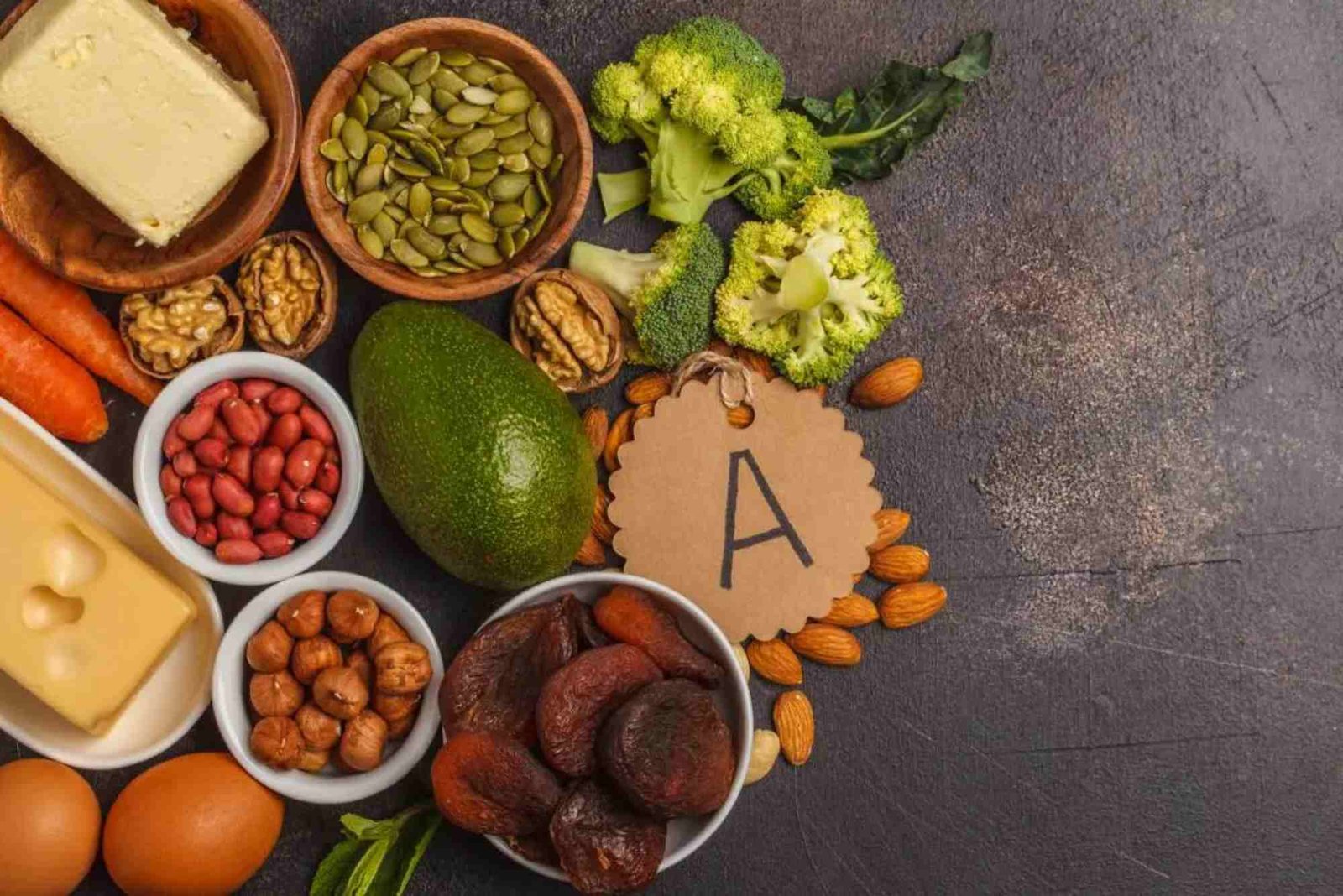
Nuts and seeds are dense sources of nutrients essential for immune health. Almonds, walnuts, and sunflower seeds contain vitamin E, which protects cells from oxidative damage and supports immune cell function. Pumpkin seeds and chia seeds provide zinc, magnesium, and healthy fats, all of which play roles in enhancing immunity. These small but nutrient-packed foods are easy to include in meals or snacks and contribute to a stronger, more resilient immune system.
Incorporating a variety of nuts and seeds helps ensure that you receive both vitamins and minerals needed for optimal immunity. The healthy fats in these foods also support the absorption of fat-soluble vitamins such as A, D, and E, which are critical for immune health. Regular consumption of these nutrient-dense foods can help maintain long-term immune resilience and overall well-being.
Lean Proteins and Immune Support
Proteins are fundamental for immune function because they provide the building blocks for immune cells and antibodies. Lean meats, poultry, fish, eggs, and legumes supply essential amino acids, zinc, and selenium, all of which are necessary for the production and function of immune cells. Fatty fish such as salmon, mackerel, and sardines are particularly beneficial because they contain omega-3 fatty acids, which reduce inflammation and support immune signaling.
Plant-based proteins like lentils, chickpeas, and tofu offer vitamins, minerals, and fiber, contributing to overall immune health. Combining different protein sources ensures a complete array of nutrients that support the body’s defenses. Including protein-rich foods in each meal can improve recovery from infections, enhance energy levels, and maintain strong immune function.
Whole Grains and Gut Health
Whole grains provide essential vitamins, minerals, and fiber that are beneficial for immunity. Foods like oats, quinoa, brown rice, and barley are rich in B vitamins, iron, and selenium, supporting immune cell production and antioxidant defenses. Fiber from whole grains nourishes gut bacteria, which play a vital role in regulating immune responses and reducing inflammation.
A healthy gut microbiome is essential for optimal immunity because it interacts with immune cells to modulate responses to pathogens. Consuming whole grains regularly ensures a steady supply of nutrients that promote gut health, which in turn strengthens the immune system. Vitamin-rich foods that are good for immune system function often work synergistically with fiber-rich foods like whole grains to provide comprehensive immune support.
Herbs and Spices That Enhance Immunity
Herbs and spices offer concentrated amounts of vitamins, antioxidants, and anti-inflammatory compounds. Garlic, ginger, turmeric, and oregano are known for their immune-boosting properties. Garlic contains allicin, which has antimicrobial effects and supports immune cell activity. Turmeric provides curcumin, a powerful anti-inflammatory compound that enhances the immune response. Fresh herbs like parsley, cilantro, and basil contribute vitamin C, vitamin A, and other phytonutrients that support overall immune health.
Incorporating these herbs and spices into meals adds flavor and ensures additional nutrient intake. Regular use of immune-supporting herbs and spices can complement other vitamin-rich foods, creating a well-rounded diet that naturally strengthens the body’s defenses.
Lifestyle Practices That Complement Nutrition
While vitamin-rich foods are essential for immune health, combining them with healthy lifestyle habits enhances their effectiveness. Regular exercise, sufficient sleep, and stress management improve immune function and support overall well-being. Adequate hydration is also important, as water helps circulate nutrients throughout the body and flush out toxins. Reducing processed foods, sugar, and excessive alcohol intake further ensures that the immune system operates efficiently.
By prioritizing both nutrition and lifestyle, individuals can maximize the benefits of vitamin-rich foods that are good for immune system function. Small, consistent changes in diet and habits can have a significant impact on resilience against illnesses and overall vitality.
Maintaining a strong immune system requires a holistic approach that combines nutrition, lifestyle, and self-care. Vitamin-rich foods that are good for immune system health, including fruits, vegetables, nuts, seeds, lean proteins, whole grains, and immune-boosting herbs, play a pivotal role in enhancing the body’s defenses. These foods provide essential vitamins, minerals, and antioxidants that support immune cell function, reduce inflammation, and improve recovery from infections. A balanced diet that prioritizes nutrient-dense foods, along with regular exercise, sufficient sleep, and stress management, ensures long-term immunity and overall health. Start incorporating these vitamin-rich foods today and take proactive steps toward a stronger, healthier immune system. Your body will thank you with better resilience and energy every day.
Choosing the right snacks is essential for children’s growth and energy. Healthy Snack Recommendations for Children focus on nutrient-rich options like fruits, vegetables, yogurt, nuts, and whole grains. These snacks not only satisfy hunger but also support strong bones, a healthy immune system, and better concentration at school. Encouraging kids to enjoy colorful, balanced snacks helps establish lifelong healthy eating habits.
FAQ
What are the best vitamin-rich foods for immunity?
The best foods include citrus fruits, berries, leafy greens, cruciferous vegetables, nuts, seeds, lean proteins, whole grains, and immune-supporting herbs.
Can vitamin C alone boost the immune system?
Vitamin C is important, but immunity requires a combination of vitamins, minerals, and a healthy lifestyle for full effectiveness.
How often should I eat these foods?
Daily consumption of a variety of vitamin-rich foods is ideal to ensure continuous immune support and overall health.
Are supplements necessary for immune health?
Supplements can help if dietary intake is insufficient, but whole foods provide better absorption and additional nutrients.
Do herbs and spices really improve immunity?
Yes, herbs like garlic and turmeric contain compounds that enhance immune function and reduce inflammation naturally.
Which minerals are essential for a strong immune system?
Zinc, selenium, iron, magnesium, and copper play key roles in immune cell production, function, and antioxidant defense.