Introduction
Providing children with nutritious snacks is essential for their growth, energy, and overall well-being. While kids often crave sugary treats or highly processed foods, parents and caregivers can make smarter choices by introducing snacks that are both delicious and nourishing. Healthy snack recommendations for children focus on balancing taste, nutrients, and convenience to fit into busy routines without compromising health. In this guide, we will explore practical ideas, strategies, and tips to ensure your child enjoys snacks that support their physical and mental development.
Why Healthy Snacks Matter for Children
Snacking is more than just filling hunger between meals. For growing children, snacks provide essential nutrients, maintain steady energy levels, and improve concentration. Children’s bodies require frequent fuel due to their rapid growth and high activity levels. Choosing unhealthy snacks can lead to spikes in blood sugar, poor eating habits, and long-term health challenges such as obesity or diabetes. On the other hand, incorporating healthy snack recommendations for children helps develop taste preferences for wholesome foods and establishes lifelong healthy habits.
Balanced snacks also play a role in supporting cognitive function. Nutrients like protein, fiber, and healthy fats help improve attention span, memory, and learning performance. Including fruits, vegetables, whole grains, and dairy products in snacks ensures children receive vitamins and minerals crucial for growth, immune support, and bone health. When children enjoy snacks that nourish their bodies, they are more likely to maintain positive energy levels throughout the day.
Key Principles of Healthy Snacking for Children
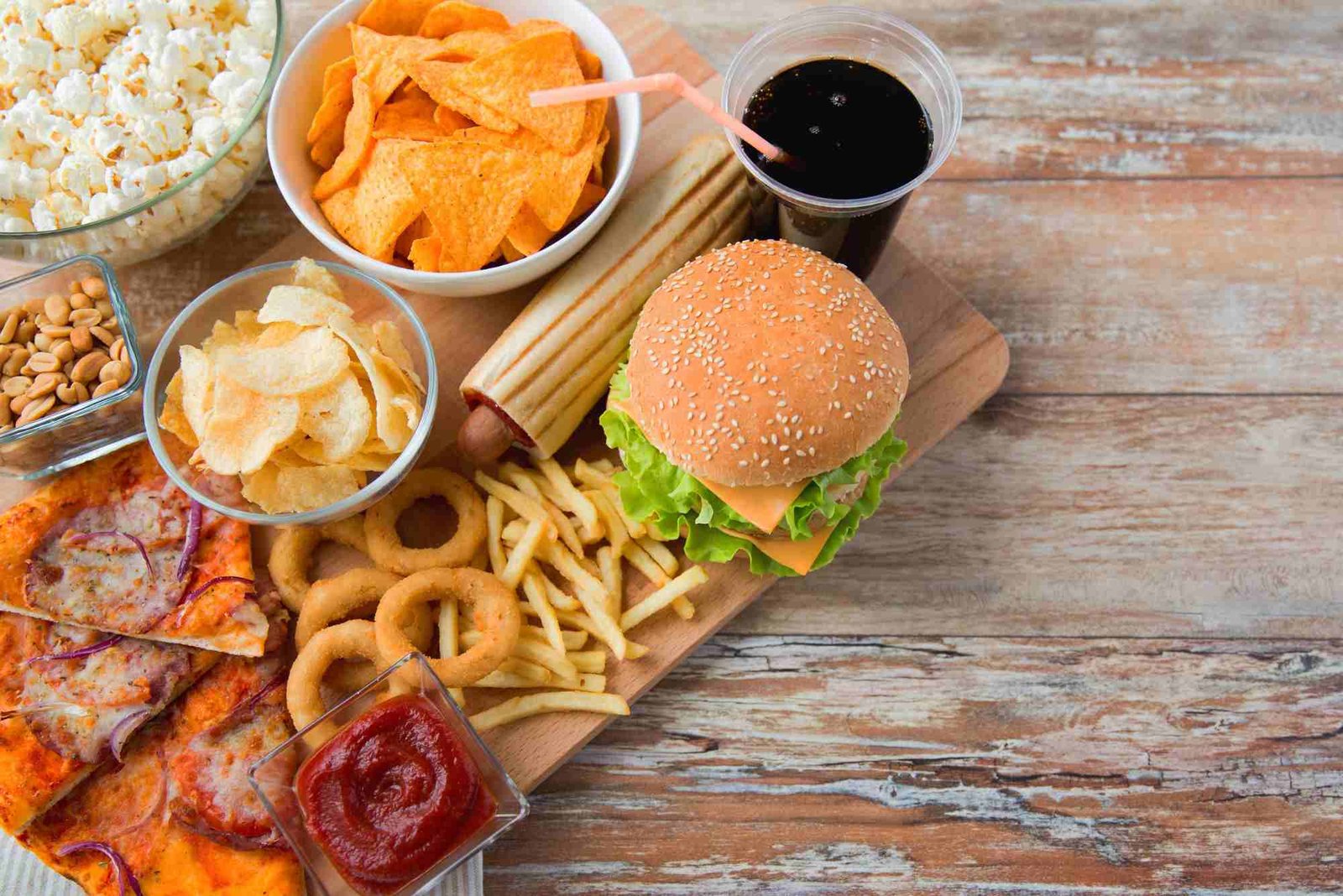
When selecting snacks, parents should consider more than just flavor. The nutritional quality, portion size, and preparation method are critical. Healthy snack recommendations for children often emphasize a combination of macronutrients, including carbohydrates, protein, and healthy fats, along with vitamins and minerals. Simple strategies include incorporating fruits, vegetables, whole grains, nuts, and low-fat dairy. Avoiding highly processed foods, artificial additives, and sugary beverages is equally important.
Portion control matters because children have smaller stomachs than adults, and excessive amounts of even healthy foods can lead to overeating. Using small containers, colorful plates, or fun shapes can make snack time more appealing while keeping servings appropriate. Another principle is variety: offering a range of snacks helps prevent picky eating, encourages exploration of new flavors, and provides a broader spectrum of nutrients.
Practical Healthy Snack Recommendations for Children
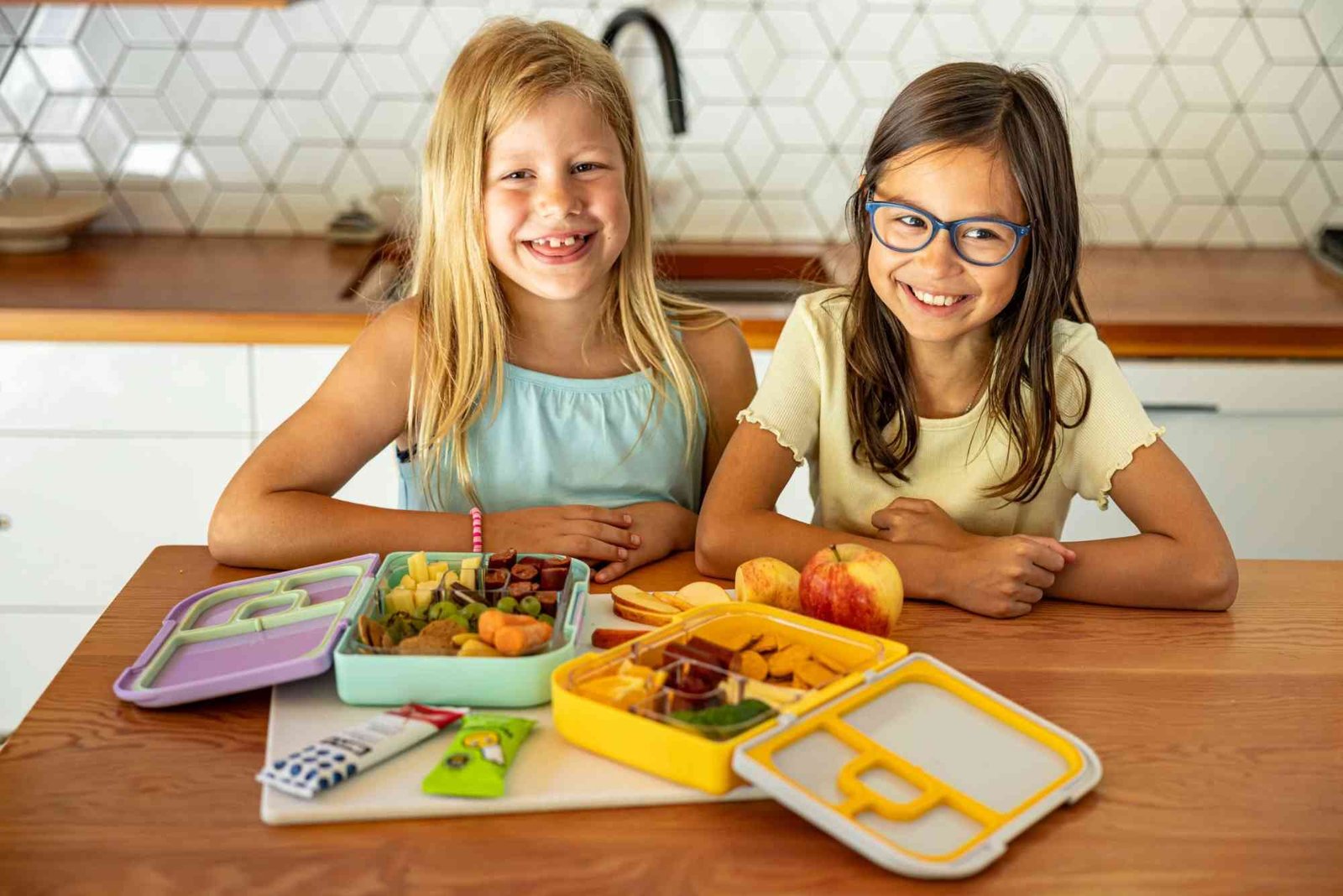
Healthy snack recommendations for children should be easy to prepare, portable, and enjoyable. Including familiar ingredients with creative presentations can encourage children to try and accept new foods. Fresh fruits like apples, bananas, and berries are naturally sweet and rich in fiber, making them a perfect grab-and-go option. Vegetables, such as carrot sticks, cucumber slices, or bell pepper strips, can be paired with hummus or yogurt-based dips to enhance taste and nutrient intake.

Whole grain products provide sustained energy and support digestive health. Options like whole-grain crackers, oatmeal, and air-popped popcorn are excellent choices for children. Incorporating protein through nuts, seeds, cheese, or yogurt helps maintain fullness and supports muscle growth. Combining these elements into snack packs or mini-meals can make snacking both fun and satisfying. Smoothies and homemade energy bars are also a creative way to sneak in fruits, vegetables, and healthy fats without sacrificing flavor.
Snack Ideas That Children Enjoy
Parents often worry that healthy snacks may not appeal to children, but creativity can make all the difference. Presenting foods in playful shapes, colorful arrangements, or bite-sized portions increases engagement. For example, arranging fruit slices into fun patterns or creating mini vegetable kabobs can make snack time exciting. Pairing complementary flavors, such as apple slices with peanut butter or yogurt with berries, enhances taste and nutritional value.
Combining textures is another effective strategy. Crunchy foods like celery sticks or whole-grain crackers provide a satisfying experience when paired with creamy hummus, avocado, or cheese. Similarly, including a small portion of dried fruits or roasted nuts can add sweetness and crunch, making healthy snacks feel indulgent without added sugar. By offering variety, children can discover new preferences while maintaining balanced nutrition.
Timing and Frequency of Healthy Snacks
Understanding when and how often to offer snacks is as important as what to serve. Children typically need two to three snacks per day in addition to main meals, depending on their age, activity level, and growth needs. Mid-morning and mid-afternoon snacks are often ideal because they help maintain energy levels and prevent overeating at meal times. Avoid giving snacks too close to main meals to ensure children remain hungry and appreciate balanced meals.
Creating a routine around snack times also encourages mindful eating. Setting aside a specific time and space for snacks helps children focus on eating and prevents mindless snacking while watching television or playing games. Including children in snack preparation can also increase interest in healthy foods, giving them a sense of ownership and promoting lifelong habits.
The Role of Hydration in Healthy Snacking
Hydration often goes hand in hand with healthy snacks. Children sometimes confuse thirst with hunger, leading to unnecessary snacking. Encouraging water consumption before and during snack times ensures proper hydration and helps regulate appetite. Milk and diluted fruit juices can also contribute to fluid intake, but plain water should remain the primary source to prevent added sugars from affecting health. Offering fruits with high water content, such as watermelon or oranges, provides both hydration and nutrients, making them an excellent snack choice.
Balancing Nutrition and Taste
One of the challenges parents face is finding a balance between nutrition and taste. Healthy snack recommendations for children should satisfy both requirements to ensure consistent acceptance. Foods rich in flavor, color, and texture can make healthy snacks more appealing. Herbs, mild spices, or natural dips enhance taste without relying on salt, sugar, or artificial additives. Involving children in choosing and preparing snacks allows them to learn about nutrition and develop a positive relationship with food.
Educating children about the benefits of different snacks can also influence their preferences. Explaining why fruits provide energy, vegetables strengthen immunity, or nuts support growth helps children make informed choices. Positive reinforcement, rather than pressure, encourages repeated healthy eating behaviors and builds confidence in trying new foods.
Overcoming Challenges with Picky Eaters
Picky eating is common among children, but there are strategies to encourage acceptance of healthy snacks. Gradual exposure is key: introducing new foods in small amounts alongside familiar favorites reduces resistance. Creative presentation, variety, and involving children in meal preparation can also increase willingness to try new items. Repetition without pressure, combined with praise for trying new foods, fosters positive eating habits.
Parents can also modify recipes to suit tastes while maintaining nutritional value. For example, blending vegetables into smoothies, adding fruit to yogurt, or baking whole-grain muffins with hidden veggies can provide nutrients without affecting flavor. The goal is to make healthy snacking enjoyable, consistent, and stress-free for both children and caregivers.
Long-Term Benefits of Healthy Snacking
Healthy snack recommendations for children have benefits that extend far beyond immediate hunger relief. Regularly consuming nutrient-rich snacks supports optimal growth, strengthens the immune system, and improves cognitive performance. Children who develop positive eating habits early are more likely to maintain balanced diets in adulthood, reducing the risk of chronic diseases. Furthermore, exposure to a variety of foods nurtures better taste preferences and fosters an understanding of nutrition as a lifelong priority.
Healthy snacking also encourages mindful eating. Children learn to recognize hunger cues, distinguish between cravings and real hunger, and enjoy the flavors and textures of whole foods. This awareness contributes to healthier relationships with food, self-regulation, and overall well-being.
Tips for Parents and Caregivers
Consistency, creativity, and education are vital when implementing healthy snack recommendations for children. Keep healthy snacks visible and accessible to encourage choice, and avoid stocking highly processed options that can overshadow nutritious alternatives. Planning and preparing snacks in advance reduces reliance on convenience foods and makes it easier to maintain balanced routines. Engaging children in shopping, preparing, and arranging snacks fosters interest, teaches responsibility, and enhances family bonding.
Parents should also monitor portion sizes and maintain variety in snack offerings. Mixing fresh, frozen, and dried fruits, vegetables, dairy, whole grains, and protein ensures that children receive a broad spectrum of nutrients. Positive reinforcement, rather than restriction or punishment, encourages long-term adoption of healthy snacking habits.
Start your day right with Recommended Nutritious Foods for Daily Breakfast. Incorporating whole grains, fresh fruits, protein-rich eggs, yogurt, and nuts boosts energy, supports digestion, and keeps you full longer. A balanced breakfast improves focus, metabolism, and overall health, making it easier to maintain a healthy lifestyle. Choose colorful, natural ingredients for maximum nutrients and sustained vitality throughout the morning.
(FAQ)
What are the best fruits for children’s snacks?
Apples, bananas, berries, and oranges are excellent because they are naturally sweet, easy to eat, and rich in fiber and vitamins.
How can I make vegetables appealing to children?
Pair vegetables with dips like hummus or yogurt, create fun shapes, or combine them with fruits to enhance taste and appearance.
Are nuts safe for young children?
Nuts are nutritious but can pose a choking risk for children under five. Chop or grind nuts into small pieces or mix them into spreads and snacks.
Can snacks replace meals for children?
No, snacks are meant to complement meals and provide additional nutrients. Meals should remain balanced and nutrient-dense.
How often should children snack during the day?
Typically, two to three snacks per day are sufficient, depending on the child’s age, activity level, and appetite.
Is it okay to include sweet snacks occasionally?
Yes, occasional treats are fine if balanced with healthy options and consumed in moderation to avoid excess sugar intake.
Providing healthy snack recommendations for children is essential for supporting growth, energy, and overall health. Focusing on nutrient-rich options like fruits, vegetables, whole grains, dairy, and protein, while prioritizing taste, variety, and convenience, ensures children enjoy snacks that nourish their bodies and minds. By introducing balanced snacks, creating enjoyable routines, and educating children about nutrition, parents can foster lifelong healthy eating habits. Start integrating these strategies today to make snack time a positive, enjoyable, and health-promoting experience for your children. Encourage creativity, involve them in preparation, and watch as they develop a love for wholesome, delicious foods.