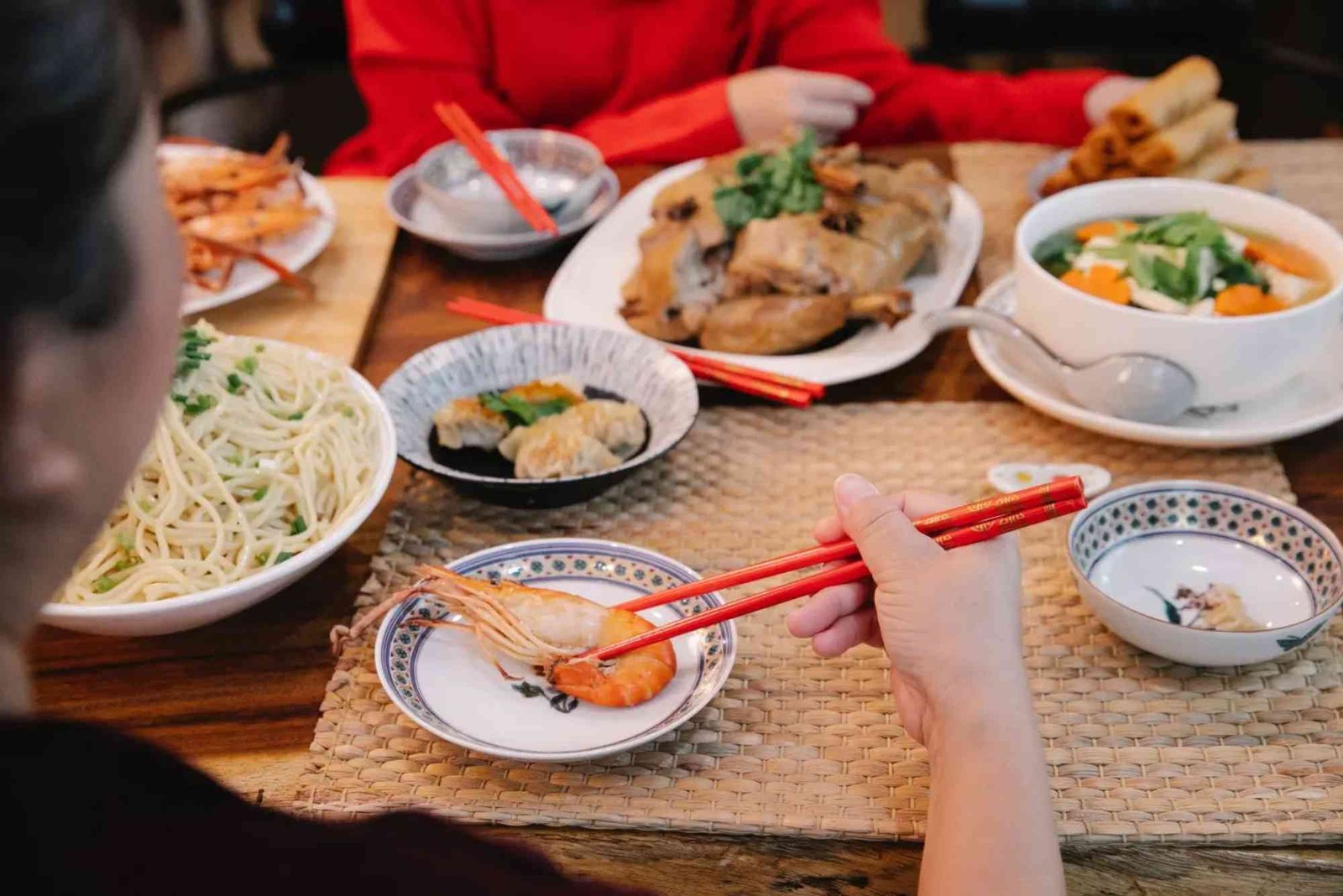
Food has always been more than sustenance. It reflects culture, history, and creativity. Today, modern chefs draw inspiration from traditional recipes to craft dishes that celebrate heritage while embracing innovation. This fusion of past and present brings a new dimension to dining, blending flavors and techniques to excite the senses. Modern food inspired by tradition offers a journey where old meets new, providing both familiarity and novelty on the plate.
The Roots of Modern Culinary Innovation
Understanding the essence of modern food inspired by tradition begins with appreciating its roots. Traditional dishes carry centuries of culinary wisdom. They are shaped by geography, climate, and cultural influences, resulting in unique flavor profiles. Chefs use these foundations to experiment, enhancing textures, presentation, and taste with contemporary techniques. By respecting the original recipes, they create dishes that honor heritage while appealing to modern palates. This approach keeps traditions alive and relevant in today’s fast-evolving food scene.
Reimagining Classic Flavors
Modern chefs are not just recreating old recipes; they are reimagining them. Ingredients that once defined traditional dishes are now paired with unexpected complements. Spices from ancient kitchens find new roles in contemporary meals. For example, a centuries-old stew can be transformed into a delicate consommé or a deconstructed platter, preserving its original taste while introducing a fresh experience. This innovation extends beyond flavor, encompassing presentation, portioning, and cooking methods. Modern food inspired by tradition captures the essence of authenticity while inviting diners to explore something new.
Techniques That Bridge Past and Present
Cooking methods play a crucial role in modern food inspired by tradition. Traditional techniques like slow roasting, fermenting, and pickling provide depth and richness. Modern methods such as sous-vide, molecular gastronomy, and smoke infusions enhance these traditional approaches. Combining old and new techniques allows chefs to retain authenticity while elevating flavor and texture. This careful balance ensures that dishes are innovative yet rooted in familiar tastes. Diners experience both nostalgia and novelty, making each meal memorable.
The Role of Local and Seasonal Ingredients
Modern chefs increasingly prioritize local and seasonal ingredients. This principle, often central to traditional cooking, ensures freshness and sustainability. By sourcing ingredients locally, chefs connect with their community and the land. Seasonal produce dictates menu offerings, echoing traditional practices where meals reflected the natural rhythm of the year. Modern food inspired by tradition celebrates these ingredients, showcasing them in new combinations that highlight both taste and story. This approach strengthens the bond between the diner, the chef, and the culinary heritage.
Cultural Storytelling Through Food
Food is a narrative medium. Every dish tells a story, and modern adaptations of traditional cuisine amplify these narratives. Chefs highlight regional histories, family recipes, and cultural symbolism. By modernizing traditional dishes, they make these stories accessible to a global audience. Diners not only taste but also experience the history and identity behind each creation. This storytelling aspect elevates modern food inspired by tradition beyond mere dining, transforming it into an educational and emotional journey.

Visual Appeal and Modern Presentation
Presentation is a hallmark of modern culinary practice. Traditional dishes are often hearty and rustic, but modern adaptations focus on aesthetics without losing authenticity. Chefs emphasize plating, color contrast, and minimalism to create visually stunning meals. Edible flowers, microgreens, and artistic sauces turn traditional flavors into eye-catching dishes. Modern food inspired by tradition merges taste with visual storytelling, ensuring that every dish is a feast for the eyes as well as the palate.
Health-Conscious Adaptations
Modern diners often prioritize health, prompting chefs to adapt traditional recipes. Classic dishes may be high in fat or sugar, but modern interpretations use alternative ingredients and cooking methods. For instance, steaming or roasting replaces deep frying, while natural sweeteners and whole grains offer healthier alternatives. Modern food inspired by tradition does not compromise on flavor. Instead, it demonstrates that heritage recipes can evolve to meet contemporary dietary needs while retaining their original charm.
Global Influence on Traditional Cuisine
Globalization has reshaped the culinary landscape, influencing modern food inspired by tradition. Chefs blend techniques and flavors from various cultures, creating cross-cultural dishes. Traditional staples such as rice, bread, and meat are reinterpreted with international twists. A simple dish from one region may incorporate spices or cooking methods from another, reflecting the interconnected world we live in. This fusion honors tradition while embracing diversity, making modern food inspired by tradition both authentic and adventurous.
Dining Experience Beyond the Plate
Modern food inspired by tradition extends beyond taste. Restaurants focus on the overall experience, incorporating ambiance, storytelling, and service. The dining environment complements the cuisine, using decor, music, and rituals that echo cultural heritage. Guests feel immersed in the history and artistry behind their meals. This holistic approach ensures that modern adaptations of traditional food are more than just dishes—they are experiences that engage all senses.
Sustainability and Ethical Practices
Sustainability is increasingly important in modern cuisine. Traditional methods often utilized every part of an ingredient, minimizing waste. Modern chefs embrace these practices while adding eco-friendly innovations. From farm-to-table sourcing to composting and zero-waste cooking, chefs ensure that tradition meets responsibility. Modern food inspired by tradition demonstrates that honoring the past can also align with contemporary values of environmental stewardship and ethical sourcing.
Bridging Generations Through Cuisine
Modern food inspired by tradition is a celebration of culinary heritage with a contemporary twist. It bridges generations, allowing diners to enjoy familiar flavors in innovative forms. By respecting traditional techniques, sourcing local ingredients, and incorporating modern methods, chefs create dishes that are meaningful, delicious, and visually appealing. Embracing these culinary innovations invites exploration, education, and enjoyment. Experience the richness of history on your plate today, and let modern food inspired by tradition transform your dining adventures. Explore recipes, experiment with flavors, and savor the fusion of past and present.
Discover a world of inspiration and practical tips for everyday living at nusly.id . From home ideas to lifestyle guides, Nusly brings you the latest trends and expert advice to make life easier and more enjoyable. Explore now and elevate your daily experience:.
FAQs
What is modern food inspired by tradition?
It is cuisine that combines traditional recipes and flavors with contemporary cooking techniques and presentation.
How do chefs modernize traditional dishes?
Chefs use innovative methods like sous-vide, deconstruction, or molecular gastronomy while preserving the original flavors.
Can traditional recipes be healthy in modern cuisine?
Yes, chefs adapt recipes using healthier ingredients and cooking methods without compromising taste.
Why is storytelling important in modern food?
Food tells a story about culture, history, and identity, making dining an immersive experience.
What role do local ingredients play?
They ensure freshness, sustainability, and authenticity, connecting modern dishes to regional traditions.
How does modern food inspired by tradition benefit diners?
It provides familiar flavors with new textures, visual appeal, and a meaningful cultural experience.
Where can I experience modern food inspired by tradition?
Many fine-dining restaurants, culinary festivals, and specialty cafes showcase these innovative traditional dishes.