Introduction
Music festivals have become a defining feature of modern youth culture. From small local gatherings to massive international events, they offer a space where young people can celebrate creativity, freedom, and shared experiences. The rise of music festival culture among young people is not just about the music; it’s a lifestyle, a form of self-expression, and a social phenomenon that has gained global attention.
The Rise of Music Festival Culture
Over the past two decades, music festivals have grown exponentially in popularity. Initially, festivals were niche events focused on specific genres, but today, they cater to diverse audiences. Young people, in particular, are drawn to the unique energy and immersive experiences that festivals provide. These events go beyond live performances; they are a blend of art, fashion, community, and music.
Music festival culture among young people has evolved alongside social media and digital connectivity. Platforms like Instagram, TikTok, and YouTube amplify festival experiences, allowing attendees to share moments and trends instantly. This visibility has made festivals aspirational events, influencing fashion choices, lifestyle preferences, and even travel habits among youth.
Why Young People Are Drawn to Music Festivals
A Sense of Freedom and Self-Expression
Music festivals offer young people an opportunity to step away from everyday routines. Unlike traditional concerts, festivals often span multiple days and provide a temporary escape from responsibilities. Attendees can express themselves freely through clothing, body art, and dance. Many festivals encourage individuality and creativity, fostering an environment where young people feel accepted and inspired.
Social Connections and Community
For many young people, festivals are social hubs. They provide a space to meet like-minded individuals, form friendships, and strengthen bonds with existing peers. The shared experience of music and art creates a sense of belonging. Communities formed at festivals often continue online or through local events, further embedding music festival culture among youth.
Immersive Experiences Beyond Music
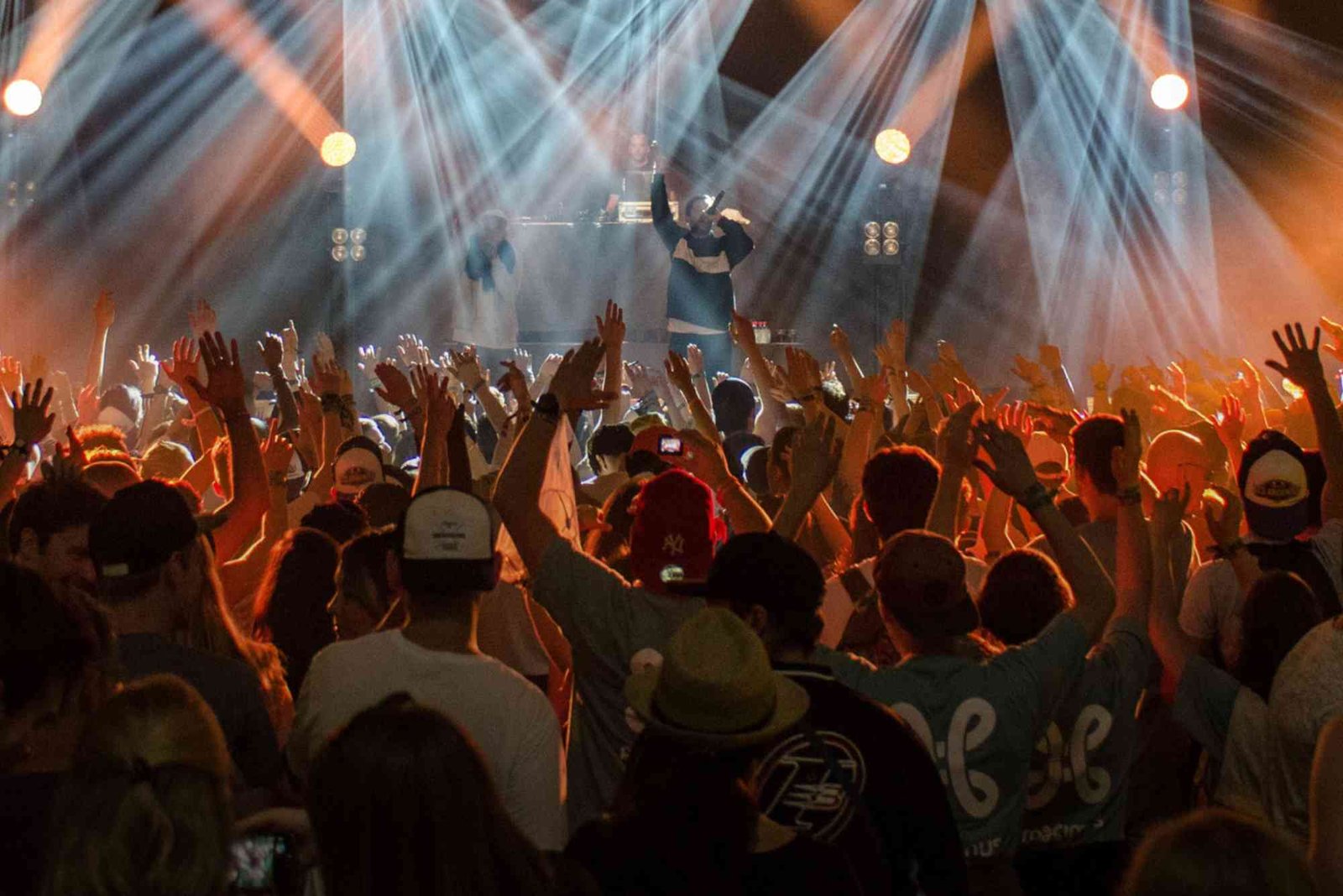
Modern music festivals are more than just concerts; they are immersive experiences. Light shows, art installations, interactive performances, and themed environments transform festivals into multi-sensory adventures. Young people are drawn to this fusion of entertainment, art, and technology, which offers a break from the predictability of everyday life.

The Role of Music Festivals in Youth Identity
Shaping Personal Taste and Style
Attending music festivals often influences young people’s personal tastes in music, fashion, and lifestyle. Many discover new genres or artists at festivals, shaping their musical identity. Festival fashion, characterized by bold colors, creative outfits, and expressive accessories, becomes a form of self-expression and a way to communicate belonging to a subculture.
Encouraging Cultural Awareness
Music festivals often feature diverse lineups and international artists, introducing young people to global sounds and cultures. Exposure to different music styles, languages, and artistic expressions fosters open-mindedness and cultural appreciation. This aspect of festival culture encourages youth to embrace diversity and explore new cultural experiences beyond their immediate environment.
Impact on Mental Health and Well-Being
For many attendees, festivals provide a mental and emotional boost. The combination of music, community, and nature can reduce stress and enhance mood. Dancing, singing, and social interactions release endorphins, contributing to feelings of happiness and fulfillment. Music festival culture among young people is therefore not just entertainment; it also promotes mental well-being and emotional resilience.
Challenges and Criticisms of Music Festival Culture
Financial and Accessibility Barriers
Despite their appeal, music festivals can be expensive. Ticket costs, travel, accommodations, and festival merchandise can create financial barriers for many young people. This exclusivity can lead to social pressure and feelings of exclusion for those unable to participate.
Safety and Health Concerns
Large gatherings present safety risks, including crowd management issues, accidents, and exposure to substances. Young attendees may be more vulnerable to these risks due to inexperience or peer influence. Festival organizers are increasingly implementing safety protocols, but awareness and preparation remain crucial for young festival-goers.
Environmental Impact
Music festivals often generate significant waste and energy consumption. The environmental footprint of large-scale events can be substantial, raising ethical considerations. Many young people are becoming more eco-conscious, prompting festivals to adopt sustainable practices such as reusable materials, recycling programs, and carbon offset initiatives.
Music Festivals and Digital Culture
Social Media Influence
Social media has transformed how young people engage with music festivals. Platforms allow attendees to document experiences, share photos, and create viral trends. Festivals are no longer just physical events; they exist in digital spaces where anticipation, excitement, and experiences are amplified.
Streaming and Virtual Festivals
Technology has also introduced virtual music festivals, allowing young people to participate remotely. While lacking the full physical immersion, virtual festivals expand accessibility, reaching audiences who cannot attend in person. This integration of digital and physical experiences continues to shape music festival culture among young people.
The Role of Influencers and Media
Influencers and media coverage amplify the allure of music festivals. Young attendees are inspired by influencers who showcase festival fashion, highlight performances, or share behind-the-scenes experiences. This visibility fosters a culture of aspiration, encouraging participation and engagement with festival trends.
Global Examples of Music Festival Culture
Coachella, USA
One of the most iconic examples is Coachella in California, known for its celebrity appearances, diverse music lineup, and trendsetting fashion. It represents the intersection of music, art, and youth culture on a global scale.
Tomorrowland, Belgium
Tomorrowland is famous for its electronic dance music and immersive stage designs. It attracts young people worldwide, emphasizing community, shared experiences, and a love for electronic music.
Local and Regional Festivals
Beyond international festivals, local events play a vital role in promoting music festival culture among youth. Community-based festivals provide accessible opportunities for cultural engagement, music discovery, and social connection. These festivals often foster grassroots creativity and nurture local talent.
The Future of Music Festival Culture Among Young People
As technology advances and cultural trends evolve, music festivals are likely to continue adapting. Hybrid festivals combining physical and digital elements may become more common. Sustainability will remain a priority, with organizers incorporating eco-friendly practices to appeal to socially conscious youth. Additionally, festivals will continue shaping youth identity, offering spaces for creativity, self-expression, and social engagement.
Music festival culture among young people is more than a trend; it is a dynamic social movement. Its influence spans music, fashion, art, social connection, and personal development. Festivals provide a space where young people can explore their identity, experience joy, and engage with global culture.
Music festivals represent freedom, creativity, and community for young people worldwide. They are transformative spaces where music, art, and culture converge, shaping personal identity and social bonds. As young audiences continue to embrace these experiences, festivals will remain central to youth culture, evolving to meet changing tastes and expectations. The impact of music festival culture among young people goes beyond entertainment, influencing lifestyle, values, and self-expression.
Whether attending physically or virtually, engaging with music festivals can enrich life and create unforgettable memories. Start exploring the vibrant world of festivals, embrace the experiences, and discover how music festival culture can inspire your creativity and social connections.
K-Pop has taken the world by storm, and Indonesia is no exception. From catchy music to dynamic performances, K-Pop idols inspire fans across the country, influencing fashion, lifestyle, and social trends. Indonesian fans actively participate in fandom communities, attend concerts, and engage online, showing the genre’s powerful cultural impact. Discover more about this exciting movement and its local influence: The K-Pop Phenomenon and Its Influence in Indonesia .
FAQ
What is music festival culture?
Music festival culture refers to the lifestyle, community, and shared experiences that young people embrace at music festivals.
Why are music festivals popular among young people?
They provide freedom, self-expression, social connections, and immersive experiences that appeal to youth.
How do music festivals impact youth identity?
Festivals shape personal taste, style, and cultural awareness, influencing how young people express themselves.
Are music festivals safe for young people?
While generally safe, large gatherings have risks, so preparation, awareness, and following safety guidelines are important.
Can virtual music festivals replace physical festivals?
Virtual festivals increase accessibility but lack full sensory immersion. They complement physical experiences rather than replace them.