Introduction
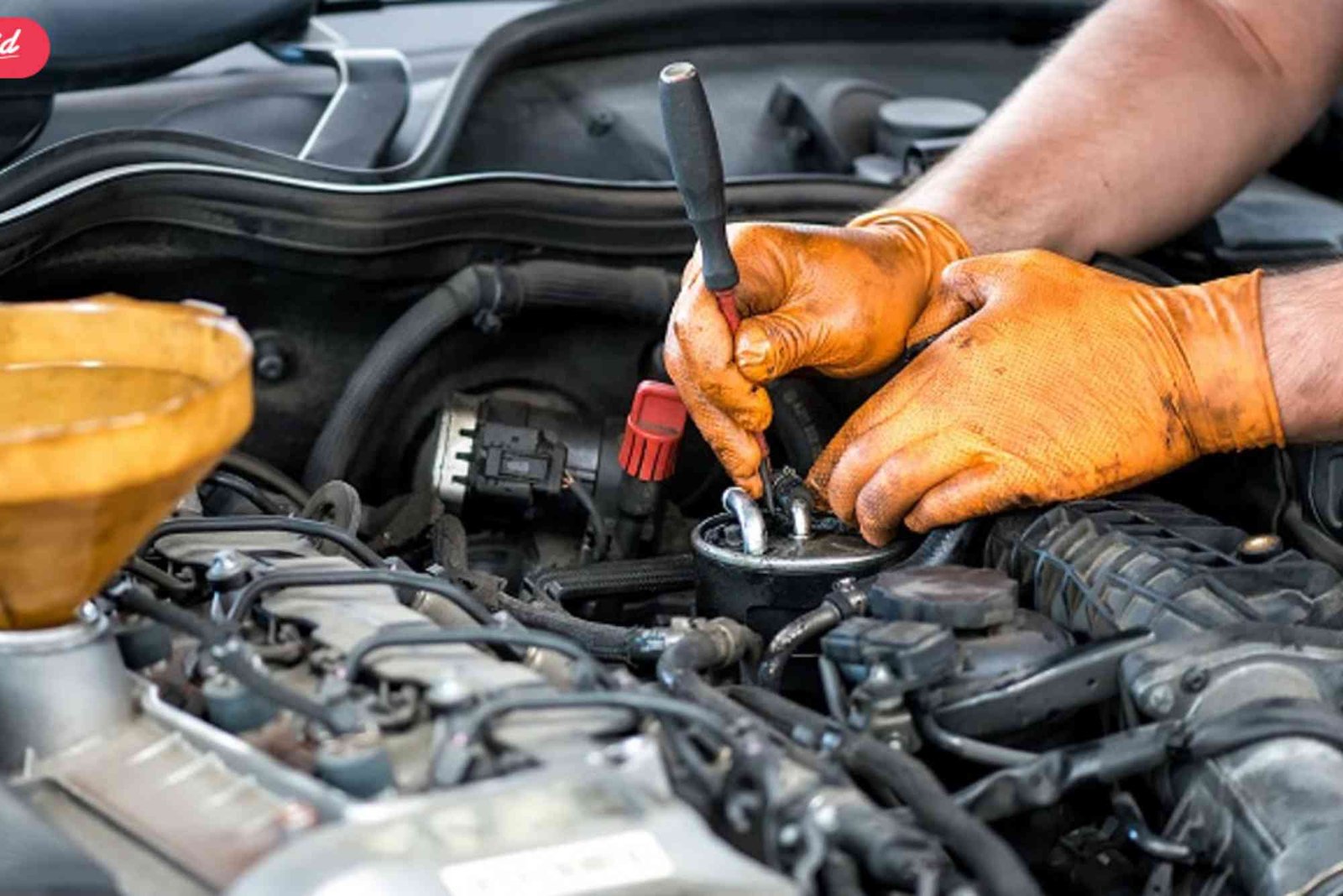
Turbocharged engines provide an incredible boost in power and efficiency, but maintaining their performance requires attention and care. Unlike naturally aspirated engines, turbo engines operate under higher pressure and temperature, which can lead to increased wear if not properly maintained. In this guide, we will explore proven strategies to keep your turbo car engine performing at its best, from routine maintenance to driving habits.
Understanding Turbo Engine Basics
What is a Turbo Engine?
A turbo engine uses a turbine-driven forced induction device to increase air intake into the combustion chamber. This allows for more fuel to be burned and significantly boosts engine power without increasing engine size.
Why Maintenance is Crucial
Turbo engines operate at higher RPMs and temperatures. Lack of proper maintenance can result in turbo lag, reduced power output, and even catastrophic engine failure. Regular care ensures reliability and extends engine lifespan.
Regular Oil and Filter Changes
Use High-Quality Synthetic Oil
Turbo engines rely heavily on oil for lubrication and cooling. Using high-quality synthetic oil designed for turbocharged engines helps reduce friction, manage heat, and prevent sludge buildup.
Stick to Recommended Intervals
Follow your manufacturer’s guidelines for oil changes, typically every 5,000 to 7,500 miles. Frequent oil changes prevent contamination that can damage the turbocharger.
Replace Oil Filters Regularly
Oil filters trap debris and prevent it from circulating through the turbo system. A clogged filter can reduce oil flow, leading to overheating and potential turbo failure.

Coolant System Maintenance
Check Coolant Levels
Maintaining the proper coolant level is vital to prevent overheating. Low coolant can cause the turbo to overheat, damaging both the turbo and engine.
Flush the Cooling System
Periodically flushing the cooling system removes rust, scale, and contaminants. This ensures efficient heat dissipation and prevents hot spots around the turbo.
Air Intake and Intercooler Care
Inspect and Replace Air Filters
A clean air filter ensures that only clean air enters the turbocharger, protecting it from debris. Replace filters according to your car manufacturer’s recommendations.
Clean the Intercooler
The intercooler reduces the temperature of the compressed air before it enters the engine. Dirt and oil buildup can reduce efficiency, so periodic cleaning is essential for optimal performance.
Turbo-Specific Checks
Monitor Boost Pressure
Use a boost gauge to monitor your turbo’s performance. Unusual readings may indicate leaks, worn components, or other issues that require attention.
Check for Oil Leaks
Oil leaks around the turbo housing can indicate worn seals. Addressing leaks early prevents further damage to both the turbo and the engine.
Listen for Unusual Noises
Whistling, whining, or grinding sounds can indicate turbo problems. Immediate inspection can prevent a complete turbo failure.
Fuel System Maintenance
Use High-Octane Fuel
Turbo engines are designed to operate with high-octane fuel to prevent knocking. Using the correct fuel helps maintain performance and engine longevity.
Clean Fuel Injectors
Dirty injectors can lead to uneven fuel distribution, reducing turbo efficiency. Periodic cleaning ensures smooth combustion and optimal power output.
Smart Driving Habits
Warm-Up and Cool-Down Periods
Allow your engine to warm up before driving aggressively. After a spirited drive, let the engine idle for a few minutes to cool down the turbo. This prevents oil coking and premature turbo wear.
Avoid Constant High RPMs
Sustained high RPM driving stresses both the engine and turbo. Mix moderate driving with occasional bursts to maintain longevity.
Use Engine Braking
Instead of heavy braking, use engine braking when possible. This reduces heat buildup and helps maintain turbo efficiency.
Professional Maintenance and Inspections
Regular Diagnostic Checks
Modern turbo engines are equipped with sensors and ECUs that monitor performance. Regular diagnostics can detect early signs of turbo or engine issues.
Turbo Rebuild or Replacement
Depending on usage and age, turbos may require a rebuild or replacement. Following manufacturer guidelines ensures peak performance and avoids costly repairs.
Maintaining the performance of a turbo car engine requires a combination of regular maintenance, quality fluids, and mindful driving habits. From oil changes to intercooler cleaning, each step plays a critical role in ensuring your turbo engine remains powerful, efficient, and reliable. By following these expert tips, you can enjoy the thrill of turbo performance while avoiding common pitfalls that reduce engine life.
FAQs
How often should I change the oil in a turbo engine?
It is recommended to change oil every 5,000 to 7,500 miles using high-quality synthetic oil.
Can I use regular fuel in a turbocharged engine?
Turbo engines typically require high-octane fuel to prevent knocking. Using lower-octane fuel can reduce performance and damage the engine.
How do I know if my turbo is failing?
Signs of turbo failure include unusual noises, smoke from the exhaust, reduced boost pressure, and oil leaks around the turbo housing.
Is it necessary to let a turbo engine cool down?
Yes, after aggressive driving, allow the engine to idle for a few minutes to cool down the turbo and prevent oil coking.
How often should I inspect the air filter?
Air filters should be checked every 12,000 to 15,000 miles or as recommended by your car manufacturer to prevent debris from entering the turbo system.
How to Clean a Car Engine Safely: Cleaning your car engine improves performance and prevents damage, but safety is key. Start by letting the engine cool completely. Cover sensitive parts like the battery and air intake with plastic. Use a gentle degreaser and a soft brush to remove grime, then rinse lightly with water. Always avoid high-pressure sprays to protect components.