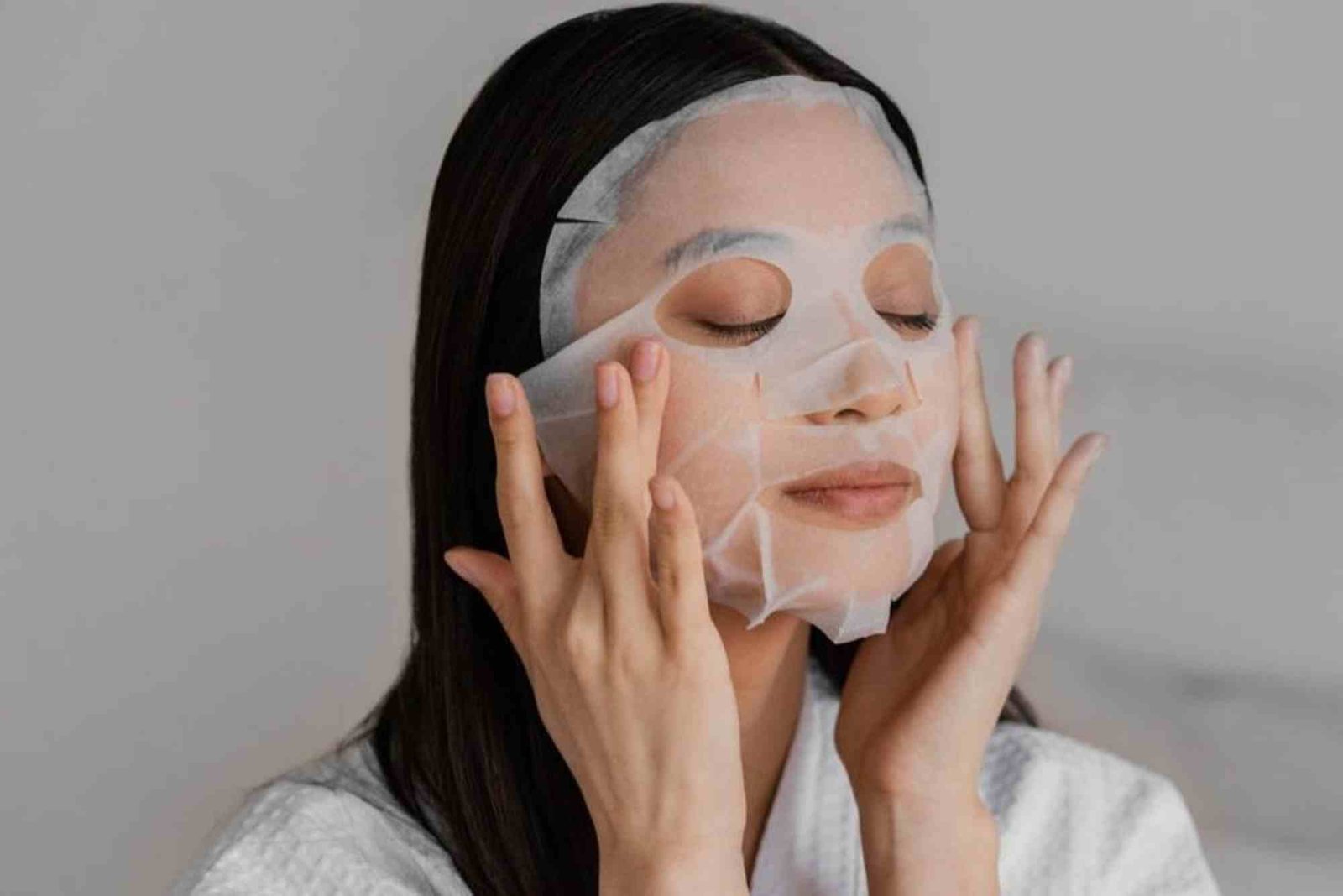
Introduction
Taking care of your skin goes beyond a basic cleansing routine. One of the most effective ways to boost your skincare regimen is by incorporating face masks. However, with countless types and formulas on the market, selecting the right mask can be overwhelming. Choosing a face mask according to your skin needs ensures that you target specific concerns such as dryness, acne, aging, or dullness while avoiding irritation or breakouts. This guide will help you navigate the world of face masks, understand your skin type, and make informed decisions to achieve optimal results.
Understanding Your Skin Type
Before selecting a face mask, it’s essential to understand your skin type. Using a mask not suited for your skin can worsen issues instead of improving them.
Normal Skin
Normal skin is well-balanced, neither too oily nor too dry, and has minimal sensitivity. People with normal skin can use a wide variety of masks, including hydrating, brightening, and mild exfoliating masks, to maintain healthy skin.
Dry Skin
Dry skin often feels tight, flaky, or rough. Masks designed for hydration and nourishment, such as cream or sheet masks with ingredients like hyaluronic acid, glycerin, and natural oils, are ideal. Avoid masks with high alcohol content, clay, or harsh exfoliants, which can strip natural oils.
Oily Skin
Oily skin produces excess sebum, often leading to clogged pores and acne. Clay or charcoal masks are excellent for absorbing excess oil and deep cleansing pores. Masks with salicylic acid can also help manage acne-prone skin. Avoid overly hydrating masks that can make the skin feel greasy.
Combination Skin
Combination skin exhibits both oily and dry areas, typically an oily T-zone with dry cheeks. Multi-masking—applying different masks to different areas—is a practical solution. Use a clay mask on the T-zone to control oil and a hydrating mask on the cheeks.

Sensitive Skin
Sensitive skin is prone to redness, irritation, or allergic reactions. Opt for gentle masks with calming ingredients like aloe vera, chamomile, or oatmeal. Avoid masks with fragrances, harsh chemicals, or strong exfoliants.
Choosing a Mask According to Your Skin Concerns
Once you know your skin type, consider your specific concerns. Different masks target different issues.
Hydration and Dryness
Dry or dehydrated skin benefits from masks rich in moisture. Look for sheet masks, gel masks, or creamy formulations containing:
- Hyaluronic acid
- Glycerin
- Shea butter
- Natural oils (jojoba, almond, or argan)
Using a hydrating mask 2–3 times a week can restore skin’s softness and elasticity.
Acne and Breakouts
For acne-prone skin, masks that unclog pores and reduce inflammation are key. Ingredients to look for include:
- Salicylic acid
- Tea tree oil
- Bentonite or kaolin clay
- Sulfur
These ingredients absorb excess oil, clear impurities, and calm inflamed skin.
Anti-Aging and Fine Lines
Masks designed for aging skin often focus on firming, brightening, and stimulating collagen production. Look for masks with:
- Peptides
- Retinol (for night use)
- Vitamin C
- Antioxidants (green tea, resveratrol)
Regular use can help improve skin texture and reduce the appearance of fine lines.
Dullness and Uneven Tone
For skin that appears tired or lacks radiance, exfoliating and brightening masks are effective. Ingredients to consider:
- AHAs (glycolic or lactic acid)
- Vitamin C
- Licorice extract
- Fruit enzymes
These masks remove dead skin cells, enhance cell turnover, and brighten complexion.
Pore Minimization
If enlarged pores are a concern, masks that tighten and refine the skin work best. Clay masks, charcoal masks, and masks with niacinamide can help reduce pore appearance and control oil production.
How to Use Face Masks Effectively
Using a mask correctly is as important as choosing the right one.
Cleanse First
Always start with a clean face to allow the mask to penetrate properly. Use a gentle cleanser suitable for your skin type.
Apply Evenly
Apply the mask evenly, avoiding sensitive areas like eyes and lips unless the product is specifically designed for them.
Follow Instructions
Different masks have different recommended times. Leaving a mask on too long can irritate the skin, while removing it too soon may reduce effectiveness.
Rinse or Remove Properly
Rinse off wash-off masks with lukewarm water. For sheet masks, gently press remaining serum into the skin rather than rinsing.
Moisturize Afterward
Always follow up with a moisturizer to lock in benefits and maintain hydration.
Multi-Masking for Targeted Care
Multi-masking allows you to use different masks on specific areas based on their needs. For example:
- T-zone: Clay mask for oil control
- Cheeks: Hydrating mask for dryness
- Under eyes: Cooling or firming mask for fine lines
This approach is particularly useful for combination skin or addressing multiple concerns at once.
Common Mistakes to Avoid
- Using masks too frequently, which can irritate skin
- Choosing masks based solely on marketing claims, not ingredients
- Applying masks over broken or irritated skin
- Ignoring patch tests for new products, especially if you have sensitive skin
Choosing the right face mask according to your skin needs is essential for achieving healthy, radiant skin. Understanding your skin type, identifying your specific concerns, and using masks correctly can transform your skincare routine. Remember, consistency is key—using the appropriate mask 1–3 times a week can deliver noticeable results over time.
FAQs
How often should I use a face mask?
Most masks can be used 1–3 times a week. Hydrating masks may be used more frequently, while strong clay or exfoliating masks should be limited.
Can I use more than one mask at a time?
Yes, multi-masking is effective for combination skin. Apply different masks to areas based on specific needs.
How do I know if a mask is right for my skin?
Check your skin type and concerns. Always do a patch test on a small area to avoid irritation.
Should I moisturize after using a mask?
Yes, always follow up with a moisturizer to lock in benefits and maintain hydration.
Can masks help with acne scars?
Some masks with ingredients like vitamin C, AHAs, or clay can improve skin texture and reduce mild scarring over time.
Makeup Look for Dull Skin to Make It More Radiant: To brighten dull skin, start with a hydrating primer and luminous foundation. Use peach or pink blush to add warmth, and highlight the high points of your face for a natural glow. Opt for neutral or soft shimmering eyeshadows and finish with a glossy lip to enhance radiance effortlessly.