Introduction
Brakes are one of the most critical safety components of your car, yet they are often overlooked until problems arise. Understanding how to maximize the lifespan of car brakes not only saves money on replacements but also ensures your safety on the road. From choosing the right brake pads to adopting smart driving habits, there are multiple ways to prolong brake life. In this guide, we’ll break down practical, expert-backed strategies to help you get the most out of your braking system.
Understanding Car Brakes
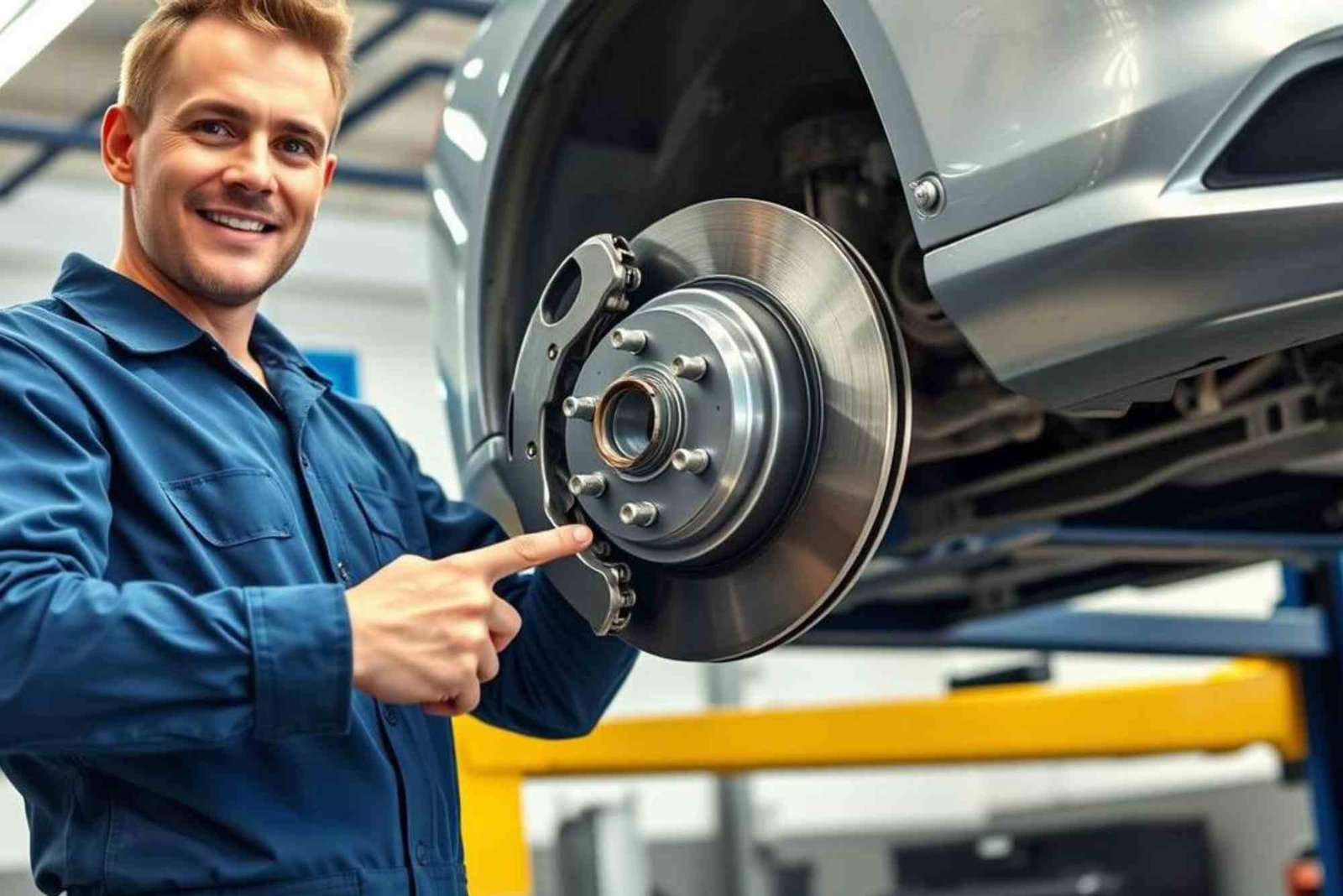
Before diving into maintenance tips, it’s essential to understand how brakes work and why they wear out. Your car’s braking system typically consists of:
- Brake Pads: Friction material that presses against the brake rotor to slow down your vehicle.
- Brake Rotors/Discs: Metal discs that the pads grip to create stopping force.
- Calipers: Components that apply pressure to the brake pads.
- Brake Fluid: Transfers pressure from the brake pedal to the calipers.
Brake wear occurs due to friction, heat, and driving habits. Recognizing the signs of wear early can prevent damage to other components and improve safety.
Signs Your Brakes Need Attention
Knowing when to address brake wear is key to maximizing their lifespan. Common signs include:
- Squeaking or Squealing Noises: Often indicates worn brake pads.
- Vibration While Braking: Could be warped rotors or uneven pad wear.
- Soft or Spongy Brake Pedal: Suggests low brake fluid or air in the lines.
- Longer Stopping Distances: Indicates that your brakes may be losing efficiency.
Addressing these issues promptly can prevent costly repairs and extend the life of your braking system.
Top Strategies to Maximize Brake Lifespan
Choose High-Quality Brake Pads
Not all brake pads are created equal. Opt for high-quality pads suited to your driving style:

- Ceramic Pads: Quiet, low dust, long-lasting. Best for everyday city and highway driving.
- Semi-Metallic Pads: Stronger stopping power and better heat dissipation. Ideal for heavy vehicles or performance driving.
- Low-Metallic Pads: Offer a balance of performance and affordability but may wear rotors faster.
Investing in quality pads reduces wear and tear and improves braking efficiency.
Adopt Smart Driving Habits
Your driving style has a major impact on brake lifespan. Consider these practices:
- Avoid Hard Braking: Gradual braking reduces friction and heat buildup, preserving pads and rotors.
- Use Engine Braking: When driving downhill or slowing down, shift to lower gears instead of constant brake use.
- Maintain Safe Following Distance: Allows you to brake gradually rather than suddenly.
- Limit Stop-and-Go Driving: Excessive city driving accelerates brake wear. Use cruise control on highways to maintain steady speed.
Regular Brake Inspections
Scheduling periodic brake inspections can prevent minor issues from becoming major problems:
- Check Pad Thickness: Replace pads before they reach the minimum recommended thickness.
- Inspect Rotors: Look for grooves, cracks, or warping.
- Monitor Brake Fluid: Replace brake fluid every 2-3 years to prevent contamination and maintain hydraulic efficiency.
Early detection of issues ensures longer brake life and safer driving.
Maintain Proper Tire Care
Tires affect braking performance and longevity:
- Keep Tires Properly Inflated: Over- or under-inflated tires reduce traction, forcing brakes to work harder.
- Align and Rotate Tires Regularly: Uneven tire wear can cause uneven braking pressure, accelerating pad wear.
Well-maintained tires reduce the strain on your braking system.
Reduce Vehicle Load
Extra weight increases the demand on brakes. To minimize wear:
- Avoid Carrying Unnecessary Weight: Remove excess cargo from your trunk or back seat.
- Mind Roof Racks: Heavy items on roof racks increase stopping distance.
A lighter vehicle requires less braking force, extending brake life.
Avoid Riding the Brakes
Riding the brakes—keeping your foot lightly on the pedal while driving—generates continuous friction and heat. Instead, remove your foot from the pedal when not actively braking and allow your vehicle to coast when safe.
Keep Brakes Clean
Brake dust, dirt, and debris can accelerate wear:
- Clean Pads and Rotors: Use a brake cleaner periodically.
- Avoid Contaminants: Oil or grease on the rotor surface reduces friction and can damage pads.
A clean braking system operates efficiently and lasts longer.
Maintenance Schedule for Longer Brake Life
Following a structured maintenance schedule can dramatically extend brake lifespan:
| Component | Recommended Check/Replacement |
|---|---|
| Brake Pads | Inspect every 10,000–15,000 km; replace when <3mm thick |
| Brake Rotors | Inspect every 20,000 km; resurface or replace if warped |
| Brake Fluid | Replace every 2–3 years or per manufacturer’s recommendation |
| Brake Lines & Hoses | Inspect annually for leaks or cracks |
Sticking to a routine not only prolongs brake life but ensures your car performs safely.
FAQs
How long do car brakes last?
Brake lifespan depends on driving habits, vehicle type, and brake quality. Typically, brake pads last between 30,000–70,000 km, while rotors may last 50,000–100,000 km.
Can I drive with worn brake pads?
It’s unsafe to drive with worn pads. Ignoring them can damage rotors and reduce braking efficiency, increasing accident risk.
What type of brake pads is best for city driving?
Ceramic brake pads are ideal for city driving due to their low dust, quiet operation, and long lifespan.
How often should I check my brakes?
Brake inspections are recommended at least once a year or every 10,000–15,000 km, whichever comes first.
Does braking style affect brake life?
Yes. Aggressive braking or riding the brakes generates excessive heat, causing faster wear. Smooth, gradual braking significantly extends lifespan.
Maximizing the lifespan of car brakes is a combination of smart driving, regular maintenance, and quality components. By choosing the right pads, avoiding harsh braking, and performing routine inspections, you not only save money but also ensure your vehicle remains safe on the road. Remember, your brakes are your car’s most critical safety feature—treat them with care.
European Cars vs Japanese Cars: Which is Superior?: European and Japanese cars each have their strengths. European cars are praised for luxury, design, and advanced engineering, offering high performance and premium features. Japanese cars, on the other hand, are known for reliability, fuel efficiency, and affordability. Choosing the superior option depends on whether you value style and performance or longevity and cost-effectiveness.