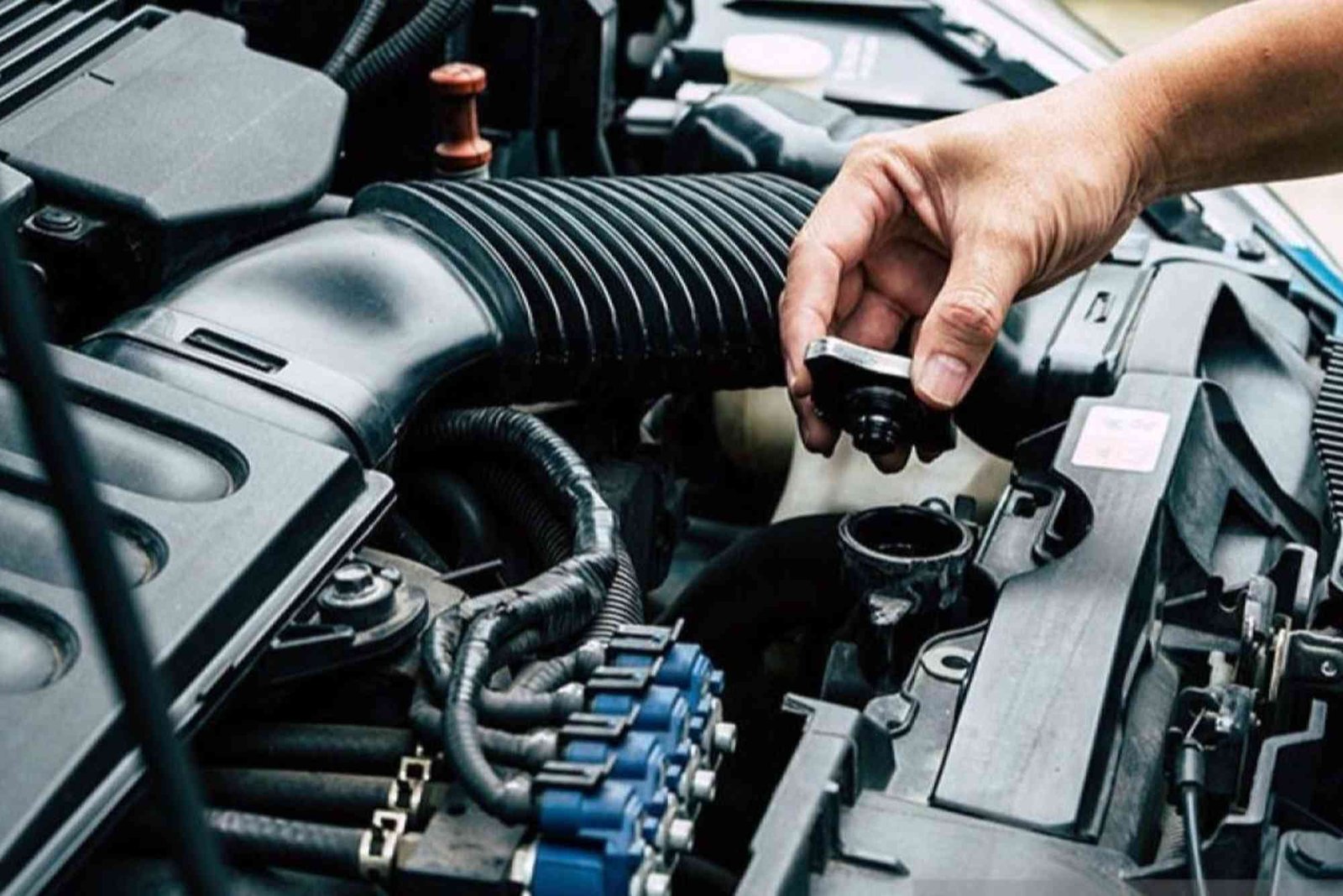
A car’s cooling system is essential for keeping the engine at the right temperature. Without proper maintenance, engines can overheat, leading to serious damage and expensive repairs. Understanding how to maintain a car’s cooling system ensures longevity, reliability, and smooth performance. Whether you drive daily or occasionally, taking steps to care for your vehicle’s cooling system is vital.
Understanding the Car’s Cooling System
Before diving into maintenance steps, it’s important to know how the cooling system works. The system consists of several key components: the radiator, water pump, thermostat, hoses, coolant, and the cooling fan. The radiator dissipates heat from the engine coolant, while the water pump circulates coolant throughout the system. The thermostat regulates temperature, ensuring the engine operates efficiently. Hoses connect various components, and the cooling fan aids airflow when the car is stationary or moving slowly. Regular checks of these parts help prevent failures and maintain engine efficiency.
Checking and Replacing Coolant
Coolant, also called antifreeze, absorbs heat from the engine and prevents it from overheating. Checking coolant levels regularly is a simple but crucial task. Most vehicles have a translucent reservoir with marked minimum and maximum levels. Always check coolant when the engine is cold to avoid burns. Using the correct type of coolant for your car is essential, as different engines require specific formulations. Over time, coolant can become acidic and lose its effectiveness, so replacing it according to the manufacturer’s schedule is important. Flushing the system periodically removes rust, debris, and old fluid, ensuring the cooling system works efficiently.
Inspecting Hoses and Connections
Hoses transport coolant between the radiator, engine, and other components. Over time, hoses may crack, leak, or become brittle due to heat and pressure. Regular inspection of hoses and their connections prevents leaks that can cause engine overheating. Check for soft spots, swelling, or visible cracks, and tighten clamps if necessary. Replacing worn hoses early is far cheaper than repairing damage from an overheated engine. Proper hose maintenance also prevents coolant loss and keeps the system pressurized for optimal performance.
Maintaining the Radiator
The radiator plays a central role in dissipating engine heat. Keeping it clean and unobstructed ensures efficient cooling. Dirt, leaves, and debris can block airflow, reducing performance and causing overheating. Periodic cleaning with water or compressed air removes buildup from the radiator fins. It’s also important to inspect the radiator for leaks or corrosion. Small leaks can escalate quickly, leading to coolant loss and engine damage. Maintaining the radiator ensures proper temperature regulation and extends the life of your engine.
Checking the Water Pump
The water pump circulates coolant throughout the engine and radiator. If it fails, coolant circulation stops, leading to rapid overheating. Signs of a failing water pump include coolant leaks around the pump, unusual noises, and engine overheating. Inspect the pump regularly and replace it if signs of wear appear. Using the recommended coolant type helps the pump operate smoothly and prevents premature damage. Regular water pump maintenance is critical for ensuring your cooling system remains functional and reliable.

Thermostat Function and Maintenance
The thermostat regulates engine temperature by controlling coolant flow. If the thermostat sticks open, the engine may run too cold, reducing efficiency. If it sticks closed, the engine can overheat. Monitoring temperature readings and observing unusual patterns helps detect thermostat problems early. Replacing a faulty thermostat is relatively inexpensive compared to repairing an overheated engine. Ensuring the thermostat works properly keeps the engine at an optimal temperature, improving fuel efficiency and performance.
Cooling Fan Operation
Cooling fans assist in airflow through the radiator, especially in slow traffic or hot conditions. Malfunctioning fans can cause overheating even with sufficient coolant levels. Check fan operation regularly, particularly the electrical connections and relays. If the fan doesn’t turn on automatically when the engine heats up, it could indicate a problem with the fan motor, temperature sensor, or fuse. Addressing fan issues promptly prevents overheating and ensures the cooling system performs efficiently.
Monitoring Temperature Gauges
Modern cars have temperature gauges or warning lights to indicate engine temperature. Monitoring these readings during drives helps you detect early signs of overheating. Sudden spikes in temperature can indicate a leak, low coolant, or a failing component. Responding immediately to abnormal readings can prevent engine damage and costly repairs. Regularly checking temperature gauges builds awareness of your car’s cooling system health and allows for timely maintenance.
Avoiding Overheating in Daily Use
Simple habits in daily driving can protect your cooling system. Avoiding prolonged idling in hot conditions reduces stress on the engine. Parking in shaded areas or using sunshades helps maintain lower temperatures. During long trips, periodically checking coolant levels and temperature readings ensures the system is functioning correctly. Addressing small issues early prevents major failures and maintains engine performance. Proper driving habits complement regular maintenance, keeping the cooling system in top condition.
Professional Maintenance and Inspections
While routine checks can be done at home, professional inspections ensure a thorough evaluation of the cooling system. Mechanics can detect hidden issues such as internal radiator blockages, air pockets in the system, or early-stage corrosion. Annual inspections or maintenance at recommended intervals prevent costly repairs and extend vehicle life. Combining professional inspections with regular home checks maximizes the efficiency of your cooling system and protects your investment in your car.
Maintaining a car’s cooling system is essential for engine health, reliability, and performance. Regularly checking coolant levels, inspecting hoses and radiator, monitoring the thermostat and fan, and scheduling professional inspections are crucial steps. By practicing consistent maintenance and addressing issues early, you can prevent overheating, extend engine life, and save money on repairs. Start caring for your cooling system today to ensure smooth, worry-free driving. Don’t wait for a breakdown. Begin a routine cooling system check today and keep your car running perfectly.
If your car’s brakes start to feel less responsive or effective, it’s important to address the issue promptly to ensure safe driving. Worn brake pads, low brake fluid, or problems with the brake system can all contribute to reduced stopping power, and learning how to diagnose and fix these issues can save you time and money. For practical tips and step‑by‑step guidance on how to overcome car brakes that feel less effective, check out this helpful resource:
FAQs
How often should I replace car coolant?
Coolant replacement varies by vehicle, but generally every 2–5 years. Check your owner’s manual for exact intervals.
Can I use any coolant type for my car?
No. Always use the manufacturer-recommended coolant type to prevent damage and maintain system efficiency.
What are signs of a failing water pump?
Leaking coolant, unusual noises, or engine overheating are common signs of water pump failure.
Is a leaking radiator dangerous?
Yes. Even small leaks can lead to engine overheating and serious damage if not repaired promptly.
Why is my car overheating even with sufficient coolant?
Potential causes include a stuck thermostat, faulty water pump, or malfunctioning cooling fan, which require inspection.
Can I flush the cooling system myself?
Yes, but ensure you follow proper safety steps and use the recommended coolant. Otherwise, professional service is safer.
How do I prevent my engine from overheating in traffic?
Avoid long idling, check coolant levels, and ensure the cooling fan is functioning properly during heavy traffic.
What happens if I ignore cooling system maintenance?
Ignoring maintenance can cause engine overheating, component failure, and costly repairs, drastically reducing vehicle lifespan.