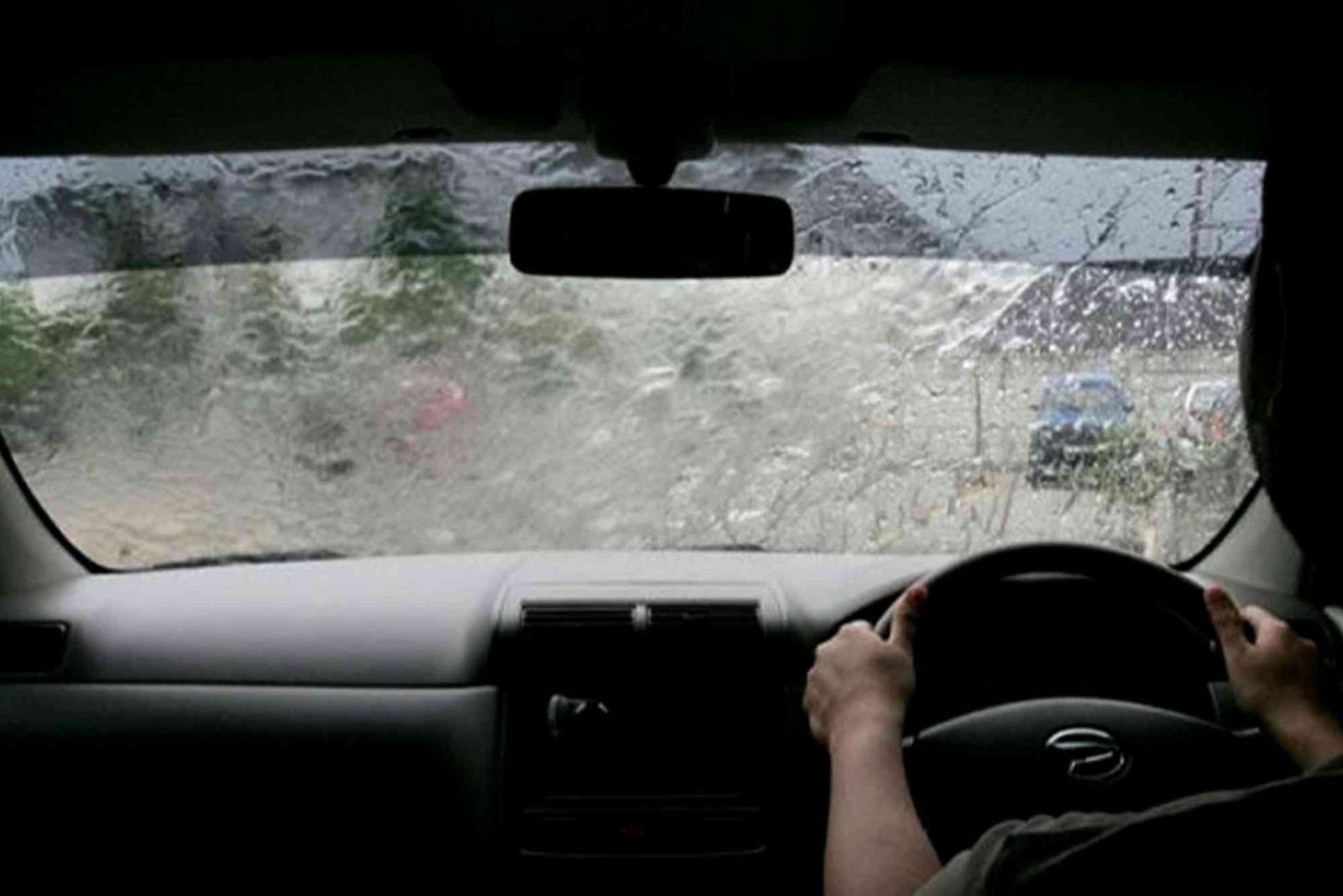
Driving in heavy rain can be stressful even for experienced drivers. Reduced visibility, slippery roads, and unpredictable traffic conditions all increase the risk of accidents. Following the right tips for safe driving during heavy rain can significantly lower these risks and help you reach your destination safely. Rain-related accidents often happen not because of extreme weather alone, but due to poor driving decisions. By understanding how rain affects your vehicle and adjusting your behavior, you can stay in control even during severe downpours.
Why Heavy Rain Makes Driving Dangerous
Heavy rain changes road conditions in ways many drivers underestimate. Water mixes with oil and dirt on the road surface, creating a slippery layer that reduces tire grip. Visibility drops quickly due to rain streaks, fogged windows, and splashing from other vehicles. In such conditions, reaction time becomes critical. Understanding these dangers is the first step toward applying effective tips for safe driving during heavy rain.
Prepare Your Vehicle Before Driving in Rain
Check Tire Condition and Pressure
One of the most important tips for safe driving during heavy rain is ensuring your tires are in good condition. Tires with worn tread cannot channel water away properly. This increases the risk of hydroplaning. Proper tire pressure also improves traction and braking performance. Before the rainy season, inspect tire tread depth and inflate tires according to manufacturer recommendations.
Inspect Wipers and Windshield
Clear visibility is essential during heavy rain. Old or damaged wiper blades leave streaks and reduce clarity. Replace them if they squeak or skip across the windshield. Clean your windshield inside and out to reduce glare from headlights and streetlights. This simple step greatly supports tips for safe driving during heavy rain.
Test Lights and Defoggers
Rain reduces visibility for you and other drivers. Ensure headlights, brake lights, and indicators work properly. Use low-beam headlights in heavy rain to improve road visibility without blinding others. A working defogger prevents windows from misting, which is crucial when humidity rises inside the car.
Adjust Your Driving Behavior in Heavy Rain
Reduce Speed and Increase Following Distance
Speed control is central to tips for safe driving during heavy rain. Wet roads increase stopping distance. Driving slower gives you more time to react to sudden obstacles. Increase your following distance to at least double the normal gap. This extra space allows safer braking if the vehicle ahead stops suddenly.

Brake Gently and Early
Sudden braking on wet roads can cause skidding. Apply brakes gently and earlier than usual. If your car has anti-lock braking systems, press the brake firmly and let the system work. For vehicles without ABS, pump the brakes lightly to maintain control. Smooth braking is a core principle in tips for safe driving during heavy rain.
Avoid Sudden Steering Movements
Sharp turns can cause loss of traction. Steer smoothly and gradually when changing lanes or turning. Keep both hands on the wheel to maintain stability. Controlled steering helps prevent skids and supports overall safe driving in rainy conditions.
How to Handle Hydroplaning Safely
Hydroplaning occurs when tires lose contact with the road due to water buildup. It is one of the scariest experiences during heavy rain. Knowing how to respond is vital.
If you feel the steering wheel become light or the car starts sliding, stay calm. Ease off the accelerator slowly. Do not brake suddenly. Keep steering straight until the tires regain contact. Once control returns, slow down further. Understanding this reaction is one of the most critical tips for safe driving during heavy rain.
Maintain Visibility in Poor Weather
Use Headlights Correctly
Always turn on headlights during heavy rain, even during the day. This helps other drivers see you clearly. Avoid using high beams as they reflect off rain droplets and reduce visibility. Proper lighting is often overlooked but essential in tips for safe driving during heavy rain.
Manage Windshield Fogging
Rain increases interior humidity, causing fogged windows. Use air conditioning or defogger to clear windows quickly. Slightly opening a window can also help balance moisture levels. Clear windows ensure you can see pedestrians, road signs, and lane markings.
Choose Lanes and Routes Wisely
Standing water often collects in low areas and near road edges. Drive in tracks left by vehicles ahead, as water is usually less there. Avoid driving through flooded roads, even if water seems shallow. Water depth can be deceptive and may damage your engine or stall the vehicle. Route awareness is an often ignored but valuable part of tips for safe driving during heavy rain.
Stay Alert and Minimize Distractions
Rain demands full attention. Avoid using mobile phones or adjusting controls unnecessarily. Focus on the road, watch for brake lights ahead, and anticipate sudden stops. Pedestrians and cyclists are harder to see in rain, so extra vigilance is necessary. Staying mentally alert enhances every other tip for safe driving during heavy rain.
Driving at Night During Heavy Rain
Night rain driving is especially dangerous due to glare and limited visibility. Reduce speed further and rely on road markings. Keep windshield clean to reduce light scatter. If rain becomes too heavy, consider pulling over safely until conditions improve. Knowing when not to drive is also part of responsible rain driving.
What to Do If Conditions Become Too Severe
Sometimes, heavy rain turns into storms with extremely low visibility. If you cannot see clearly, signal and pull over to a safe spot away from traffic. Turn on hazard lights only when stopped. Wait until rain intensity reduces before continuing. Recognizing limits is one of the smartest tips for safe driving during heavy rain.
Drive Smart, Stay Safe in Heavy Rain
Heavy rain does not have to mean dangerous driving if you follow proven tips for safe driving during heavy rain. Preparing your vehicle, adjusting your driving habits, maintaining visibility, and staying alert can dramatically reduce risks. Rain demands patience and caution, not confidence or speed.
Frequently Asked Questions
What is the safest speed to drive in heavy rain?
The safest speed depends on road conditions, but generally you should reduce speed significantly below posted limits. Slower speeds allow better control and shorter reaction time during heavy rain.
How can I prevent my car from skidding on wet roads?
Prevent skidding by driving slowly, avoiding sudden braking, maintaining good tires, and steering smoothly. These are essential tips for safe driving during heavy rain.
Is it safe to use cruise control in the rain?
Using cruise control in heavy rain is not recommended. It can reduce your ability to react quickly if hydroplaning occurs.
What should I do if my windshield fogs up while driving?
Turn on the defogger or air conditioner immediately. Adjust airflow toward the windshield to clear fog quickly and restore visibility.
Can I drive through shallow water on the road?
It is safer to avoid driving through any standing water. Even shallow water can hide potholes or cause loss of control.